Asthma affects the respiratory system by causing inflammation and narrowing of the airways. The airways are the small tubes that transport air in and out of your lungs, which is why people with asthma often feel breathless and wheezy. When someone with asthma is exposed to certain triggers including pollen, dust, exercise and cold air, the muscles around the airways can tighten which further restricts airflow.
During an asthma attack, these symptoms can become more severe as the airways narrow further, which makes breathing increasingly difficult. The symptoms of asthma vary in severity from person to person, but while asthma is a long-term condition it can usually be managed effectively with appropriate medication.
Asthma’s Impact on Daily Life
The World Health Organisation reports that asthma affected an estimated 363 million people worldwide in 2023. Asthma UK reports 7.2 million people have asthma, which is around 8% of the UK population. For this reason, it is important for healthcare professionals to understand how asthma affects the respiratory system as well as the treatment options available for every person
Asthma tends to run in families, so genetic predisposition is a risk factor. Another risk factor affecting daily life is environmental. Daily exposure to particles that may irritate the airways or give rise to an allergic reaction may increase asthma’s effect on the respiratory system. These may include tobacco smoke, house dust mites, pet dander, pollen or air pollution.
How Asthma Affects the Respiratory System
- Airway Inflammation & Hyperresponsiveness: Inflammation is typically triggered by allergens or irritants. This inflammation makes your airways sensitive and more prone to reacting to triggers, such as pollen, dust, cold air, or exercise. Hyperresponsiveness is when your airways become overly sensitive to certain triggers, causing the airways to narrow.
- Bronchoconstriction: Constriction of the bronchial tubes occurs due to muscle tightening around them, making it difficult for air to pass through. This leads to symptoms like wheezing, coughing, and shortness of breath.
- Air Trapping: This occurs during an asthma attack, when the airways may become partially obstructed and make it difficult for air to escape from the lungs. This trapped air can lead to hyperinflation of the lungs, making it harder for you to breathe out fully.
- Reduced Lung Function: A decline in lung function can occur over time as a result of chronic inflammation and recurrent asthma attacks.
- Increased Mucus Production: Asthma can also cause an overproduction of mucus in the airways. This can be problematic as excess mucus further obstructs airflow, contributing to breathing difficulties.
Asthma Triggered by Exercise
Exercise-induced bronchoconstriction (EIB), previously known as exercise-induced asthma, or EIA, occurs when physical activity becomes the trigger for asthma symptoms, typically arising during or after exercise. Triggers can include physical exercise and cold air, leading to exercise-induced bronchoconstriction. In fact, EIB is prevalent among winter Olympic athletes, affecting various disciplines, including cross-country skiers, ice-hockey players and figure skaters.
Symptoms of EIB will surface only while exercising, or immediately following exercise. It is estimated that 90% of all people who have asthma also have EIB and it is possible to have EIB even if you don’t have asthma. Treatment for EIB usually involves long-term medication.
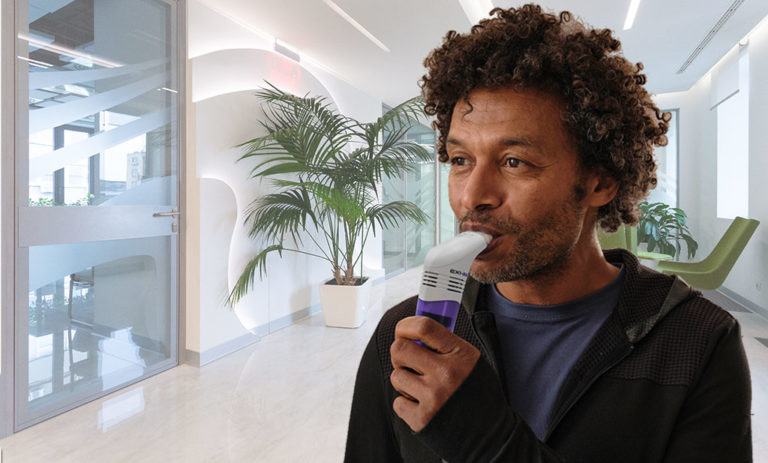
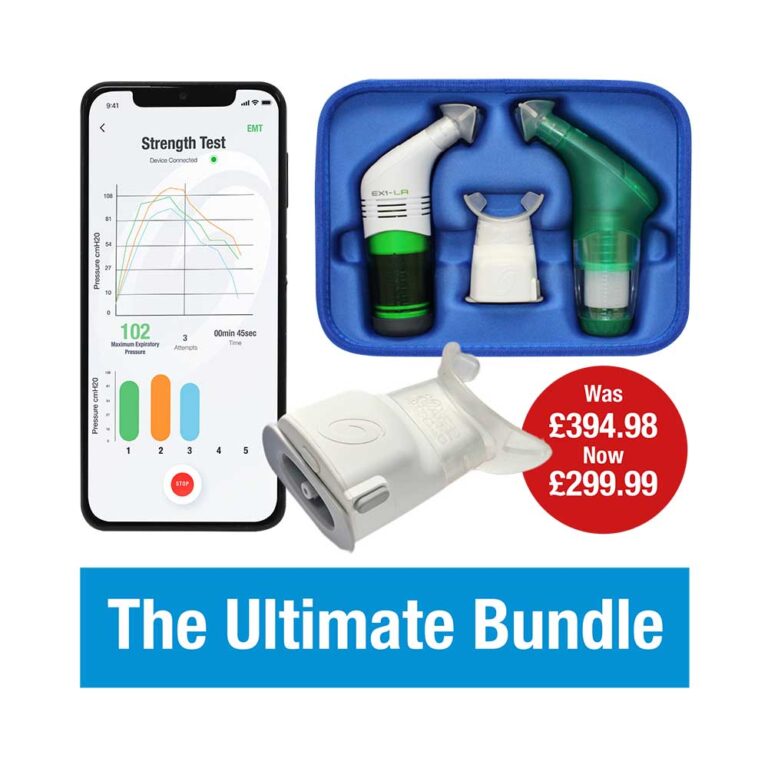
However, Inspiratory Muscle Training with POWERbreathe offers a drug-free alternative that can be used alongside medication. POWERbreathe IMT is a clinically-proven method of reducing asthma symptoms.
A 2021 randomised controlled trial investigated the effectiveness of inspiratory muscle training in 39 adults with asthma. Participants who used the POWERbreathe K3 across an eight week period experienced significant improvements in inspiratory muscle strength compared with the control group. Inspiratory muscle strength increased by 50% of the predicted value, compared with just 7.3% in the control group.
POWERbreathe has been proven to strengthen respiratory muscles in clinical trails. But there are also real world examples. Lea has been using POWERbreathe for a few months and feels it has helped improve her breathing.
“Now in my 30s, I’ve had exercise-induced asthma since I was a kid. Any physical exertion, including running, jogging and climbing stairs, usually leaves me breathless, so I avoid exercising. When I heard about POWERbreathe and how it could help me breathe better, I was a bit sceptical. However, I’m happy I gave it a chance. I’ve been using it for a few months now, and it’s helped improve my breathing. I feel stronger and less out of breath, especially when cycling.”
The video below is a review from Kevin, who performed inspiratory muscle training with a POWERbreathe device to help him reduce his asthma symptoms and use of his inhaler. Kevin said:
“I’ve had asthma my entire life and been a competitive cyclist most of my adult life. I started using a POWERbreathe about 6 weeks ago on level 2 in hopes of getting away from using an inhaler so often. I probably increase the setting about once a week. I’ve noticed a huge improvement in 6 weeks with about 90% compliance to the program.”
Natural Asthma Treatment Without Drugs
Inspiratory Muscle Training (IMT) with devices like the POWERbreathe Medic are scientifically proven to be effective in asthma management for reducing symptoms:
- Inspiratory muscle training improves lung function and reduces exertional dyspnoea in mild/moderate asthmatics – McConnell, A. K., M. P. Caine, et al. (1998). Clinical Science 95(2): 4P.
- Inspiratory muscle training in patients with bronchial asthma
- Specific inspiratory muscle training in patients with mild asthma with high consumption of inhaled beta(2)-agonists
- The relationship among inspiratory muscle strength, the perception of dyspnea and inhaled beta2-agonist use in patients with asthma
- Influence of gender and inspiratory muscle training on the perception of dyspnea in patients with asthma
- Effects of Inspiratory Muscle Training and High-Intensity Interval Training on Lung Function and Respiratory Muscle Function in Asthma
- Inspiratory muscle training and respiratory exercises in children with asthma
- A randomized placebo-controlled study investigating the efficacy of inspiratory muscle training in the treatment of children with bronchial asthma
POWERbreathe IMT is proven to strengthen the inspiratory muscles without side effects or drug interactions (see Precautions and Contraindications). We always recommend that you consult a specialist respiratory therapist or your GP before starting IMT.
Asthma’s Effect on the Respiratory System During Exercise
Breathlessness is a common feature of exercise. Shortness of breath, coughing and wheezing are also symptoms of asthma. So exercise can exacerbate asthma symptoms, making breathing a challenge during exercise.
With the breathing muscles weakening and tiring from exercise, breathing can feel even harder if you have asthma. However, strengthening the inspiratory muscles, like the diaphragm and intercostals, can improve breathing efficiency. Inspiratory Muscle Training with a POWERbreathe threshold trainer provides ‘resistance’ (a load) to these muscles, enhancing their strength and reducing breathing fatigue.
Despite asthma, exercise remains beneficial for overall health. Many elite athletes, such as former British long-distance runner, Paula Radcliffe and former British professional track and road cyclist, Dame Laura Kenny, effectively manage their symptoms. If you experience symptoms during exercise, use your reliever inhaler and wait until symptoms subside before continuing.
Practical Tips For Exercising With Asthma
Understanding asthma’s effect on the respiratory system can help you exercise safely and confidently. This can be the case if you are an athlete, or if you are a coach / teacher who is looking after athletes / children who suffer from asthma.
Physical activity can narrow the airways, making breathing more difficult and triggering symptoms such as coughing, wheezing, or chest tightness. With the right preparation and a few precautions, you can reduce the risk of symptoms and enjoy the benefits of staying active.
- Warm-up first, including an inspiratory muscle warm-up with an IMT device
- Make sure you have your inhaler with you
- Ensure people around you know that you have asthma
- If you feel your symptoms coming on during exercise, take your reliever inhaler and wait until your symptoms subside
Managing Excess Mucus in Asthma: Natural Solutions to Clear Your Airways
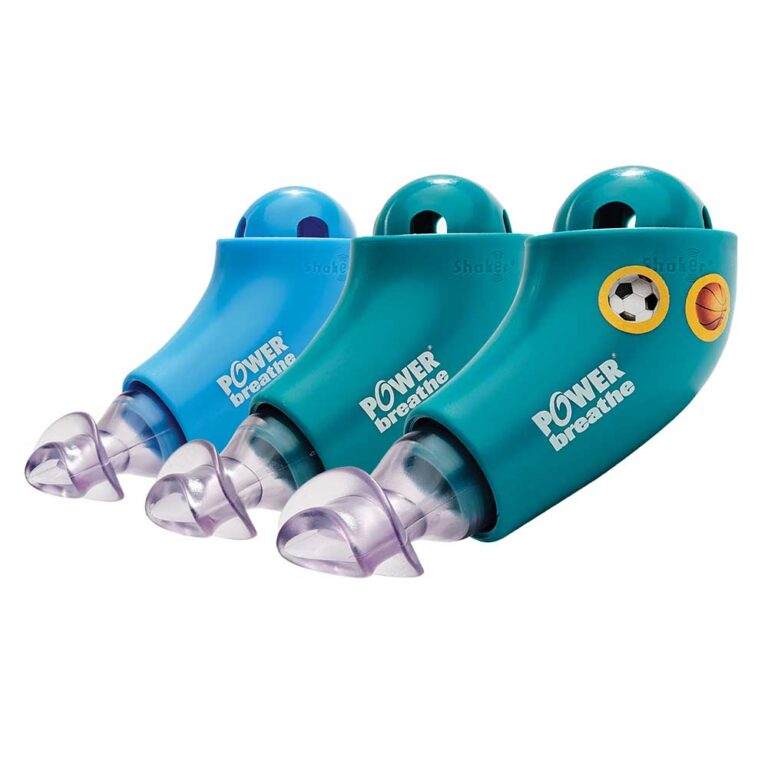
Excess mucus production poses a significant challenge for individuals with asthma, but natural remedies and techniques can help manage this issue effectively. By incorporating the use of the Shaker mucus clearance device into your asthma management plan, you can work towards clearer airways and better respiratory health. Find out more in our blog, How to get rid of phlegm in throat & lungs naturally.
-
Product on sale
 Shaker DeluxePrice range: £29.99 through £39.99