Select a Medical Condition
Asthma
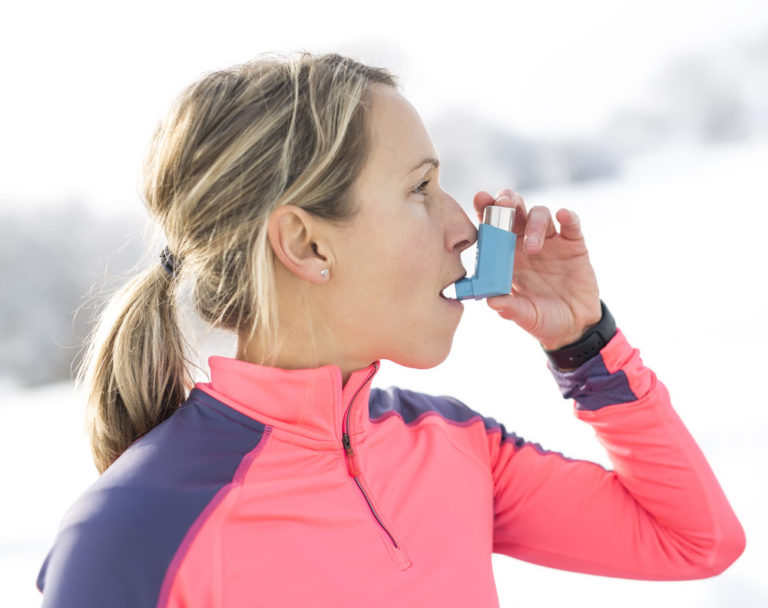
Breathing Effort In Asthma You’ll be familiar with symptoms such as coughing, wheezing, shortness of breath and tightness in the chest. If your asthma is not well controlled you may find it difficult to breathe; breathe with short shallow breaths; or feel that you can’t maintain your usual level of activity. Inspiratory Muscle Training (IMT), […]
Read More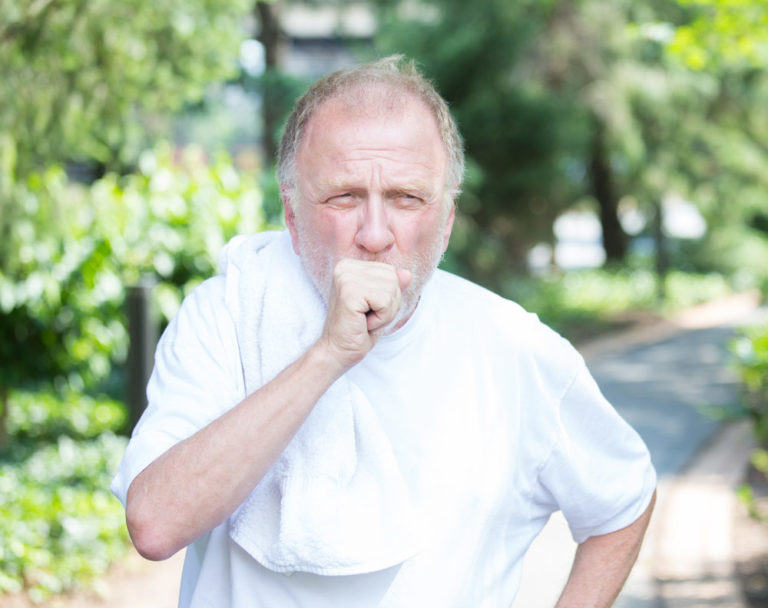
COPD
Breathing Effort In COPD If you have COPD, emphysema or chronic bronchitis, you will have weak breathing muscles, making it harder for you to get air in and out of your lungs. Dyspnoea, a feeling of difficult, laboured breathing or shortness of breath, is common in COPD, and breathing muscle weakness is a contributory factor […]
Read More
Pre and Post-op
Breathing Effort Following Surgery Breathing complications after major surgery can include pneumonia, bronchospasm and respiratory failure. In fact, weakness of the inspiratory muscles (the muscles you use to breathe in) was found in 25% of preoperative cardiac surgery patients in this trial. Inspiratory muscle weakness can also be the result of a number of causes, […]
Read More
Heart failure and Disease
Breathing Effort In Heart Failure And Heart Disease Heart failure usually results from another disease, most commonly coronary heart disease. They have similar symptoms, including shortness of breath (known as dyspnea) and fatigue which affect how physically active you are. With heart failure, your heart is unable to properly pump blood around your body, causing […]
Read More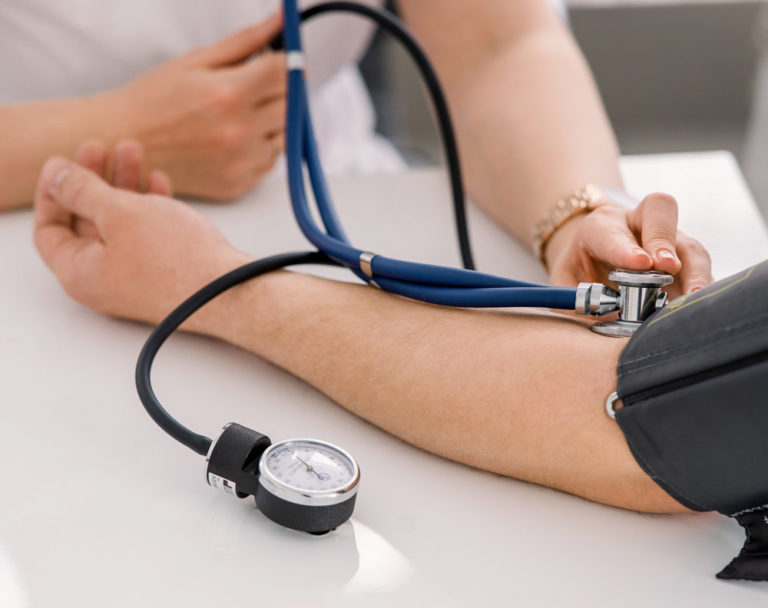
Blood Pressure
Research aired on NPR (National Public Radio) in the USA highlighted findings of how daily breath training with POWERbreathe IMST, using the POWERbreathe K3, can work as well as medicine to reduce high blood pressure. A subsequent retrospective analysis of the aforementioned research provides the strongest evidence to date that POWERbreathe IMST (Inspiratory Muscle Strength […]
Read More
Stroke
Effect Of Breathing Fatigue In Stroke Recovery Not only does stroke affect you psychologically and cognitively, but physically too. One aspect of stroke is the feeling of extreme tiredness, or post-stroke fatigue, making movement feel harder and requiring more energy leading to a reduction in tolerance to exercise. Respiratory muscle strength is impaired after stroke […]
Read More
Neuromuscular Disease
Respiratory complication is one of the most common progressive conditions associated with neuromuscular disease or disorder (NMD) and may be the result of inspiratory muscle weakness. You’ll notice signs such as extreme shortness of breath from slight effort, also known as dyspnoea; and use of your accessory respiratory muscles, which indicates effort when breathing. This […]
Read More
Covid Recovery
Because COVID-19 is a new infection, long-term research has yet to be conducted. However, this article highlights a link between inspiratory muscle performance and COVID-19. The Risk Reduction Model in the article suggests home-based respiratory muscle training (RMT), such as POWERbreathe Inspiratory Muscle Training (IMT), could be prescribed to patients with impaired respiratory performance. RMT […]
Read More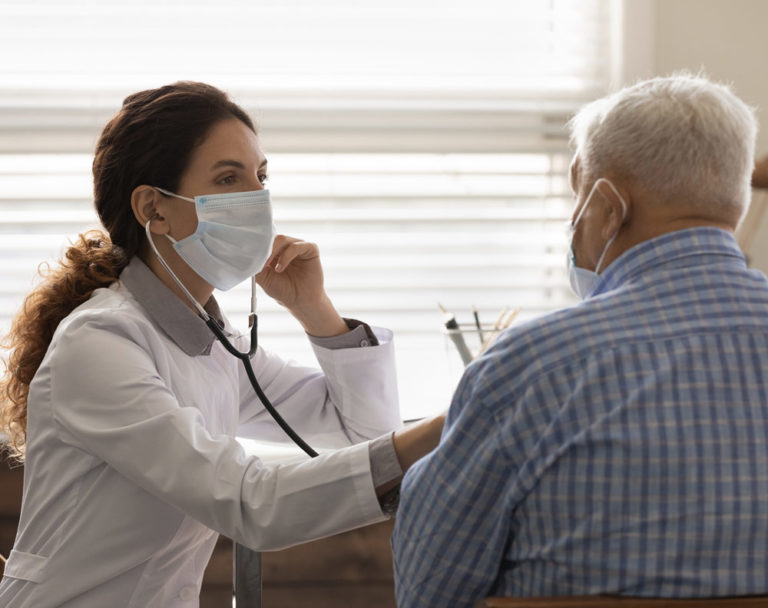
Breathing Effort In Older Adults
Breathing muscle weakness is common in COPD, heart failure, and other medical conditions. It can also be down to advancing age or lifestyle. Any condition that prevents physical activity can lead to inspiratory muscle weakness.
Advancing years can make you feel restricted by shortness of breath. In fact, studies show that breathing muscle strength reduces with age.
But when your inspiratory muscles are ‘overloaded’ using a POWERbreathe Inspiratory Muscle Trainer, they adapt, becoming stronger and resistant to fatigue. Stronger inspiratory muscles require less effort during a given task, reducing laboured breathing and improving breathlessness (dyspnoea).
Breathing Effort In Inactive Lifestyles
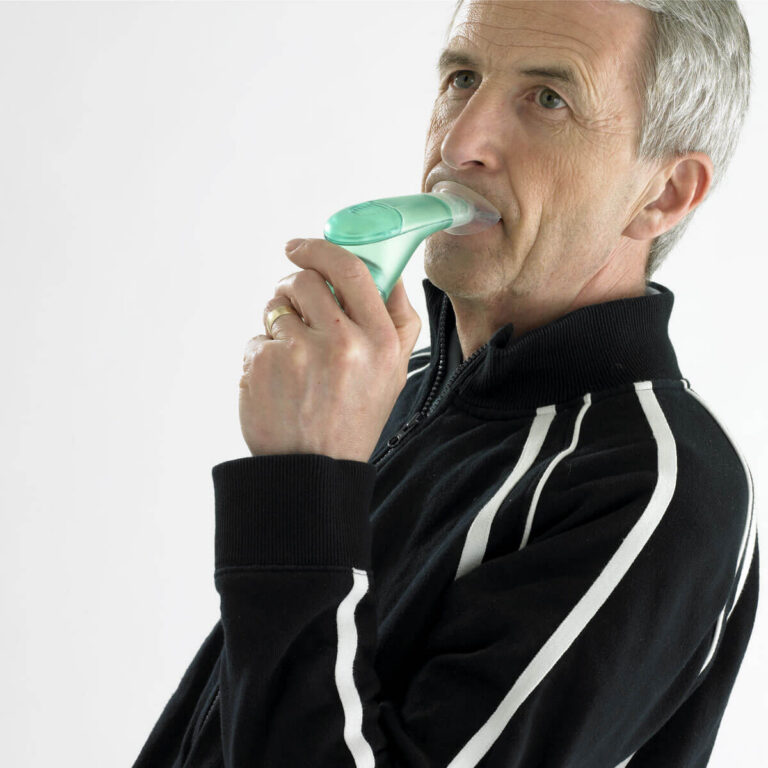
Your breathing muscles display the ‘use-it-or-lose-it’ phenomenon as other muscles. This is why people who’re less active feel more breathless: because they are less active, their breathing muscles are not exercised and so they grow weaker.
People who strengthen their breathing muscles with POWERbreathe IMT feel less breathless. They are able to carry out activities which previously left them gasping.

Breathing Effort In Patient Groups
POWERbreathe Inspiratory Muscle Training is a drug-free, evidence based breathing trainer, used in medical conditions where inspiratory weakness is inherent. It is scientifically proven to:
- Increase inspiratory muscle strength ~34%
- Reduce breathlessness ~28%
- Improve quality of life ~19% & exercise tolerance 22%
Expiratory Breathing Effort
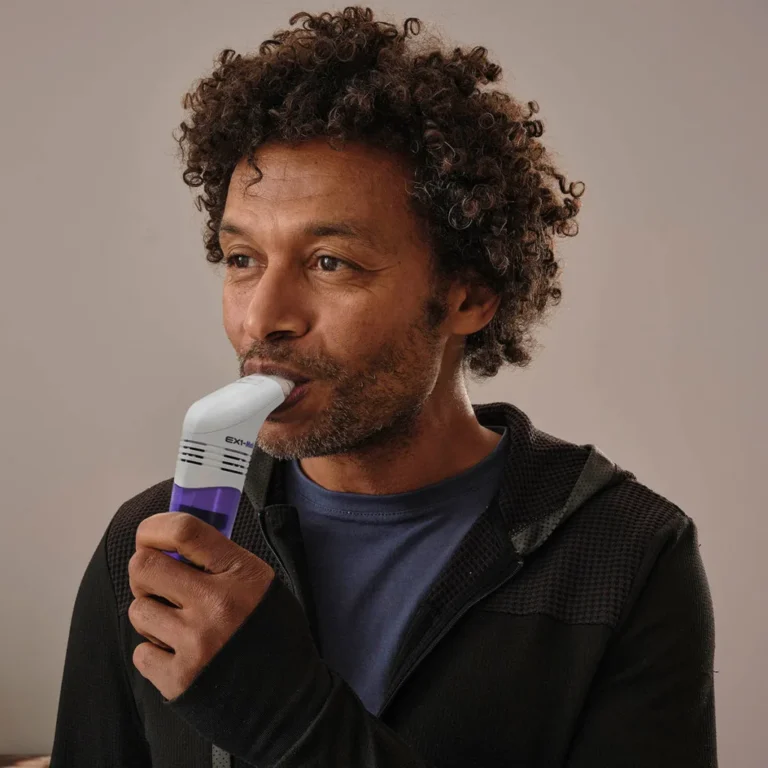
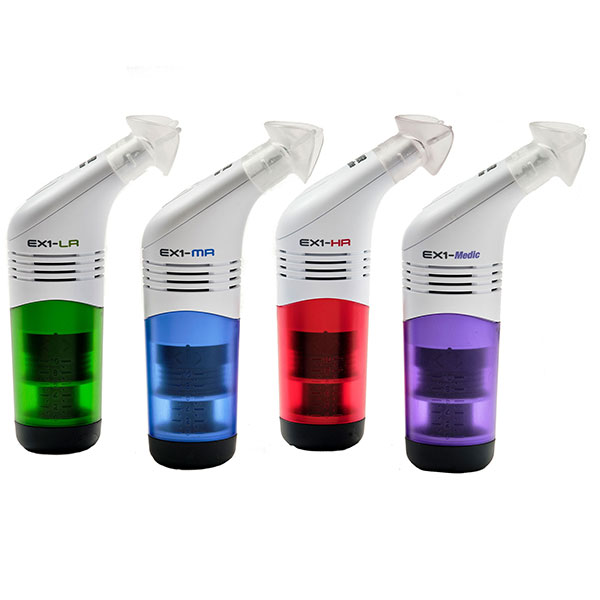
Anyone who experiences the need to forcefully empty air from their lungs, such as coughing or an expiratory wheeze on exertion, will benefit from expiratory muscle training with POWERbreathe EX1 EMT devices.
Evidence shows that expiratory muscle training improves maximal expiratory pressure in the following conditions:
- Chronic Obstructive Pulmonary Disease (COPD)
- Cough (such as chronic bronchitis)
- Dysarthria (difficulty speaking)
- Dysphagia (difficulty swallowing)
- Multiple sclerosis (MS)
- Parkinson’s disease (PD)
- Spinal cord injury
- Stroke

Breathing in Children and Adolescents
Inspiratory and expiratory muscle training (IMT/EMT) can help strengthen the respiratory muscles in children and adolescents living with asthma, cystic fibrosis, cerebral palsy, or neuromuscular disease, supporting better breathing and reducing complications.
Research in this area is growing and respiratory muscle training is considered safe and well-tolerated in paediatric populations. Always consult a healthcare professional before starting a breathing training programme. POWERbreathe devices are not suitable for children under 7 and should be used under adult supervision.
Read the supporting literature here.
Featured Products
-
Autoclavable
 £44.99
 -
Inspiratory Training
-
Digital Healthcare
-
Expiratory Training
-
Inspiratory Training
-
 £59.99