It is not generally possible to increase the physical size of healthy adult lungs. Your anatomical lung volume is largely fixed by age and genetics. However, there are ways to improve how effective your respiratory system is.
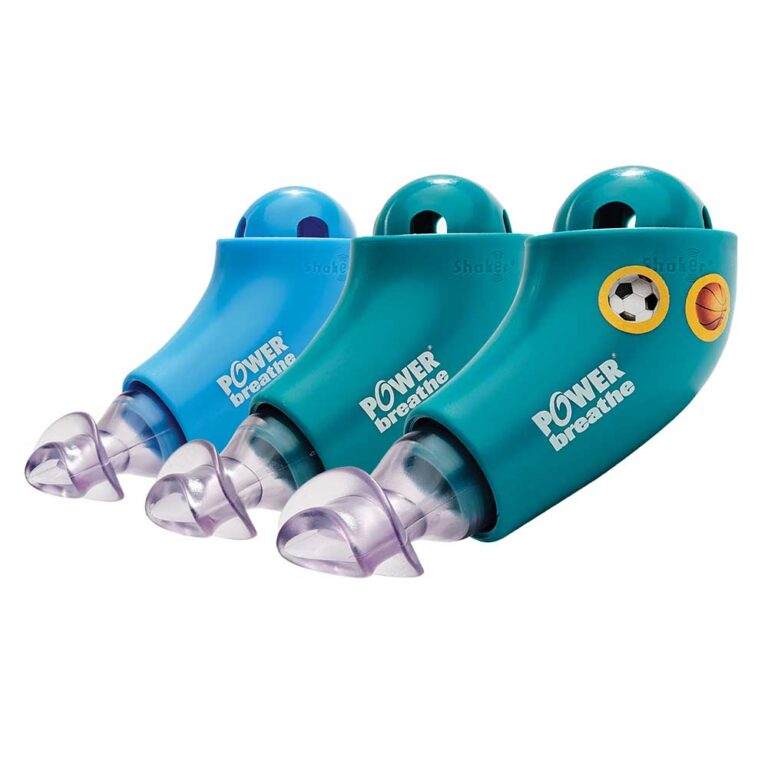
This includes improving your breathing muscle strength by performing respiratory muscle training using world-leading devices by POWERbreathe, which can increase the strength of your diaphragm and intercostal muscles.
Regular physical activity and controlled breathing exercises can also help improve how effective your respiratory system is. In this article, we will explore what breathing capacity means, how it can be measured, and the different ways in which you can improve your breathing.
What is Breathing Capacity?
Breathing capacity is often used to describe how much air your lungs can physically hold. Generally, this is set by your genetics and it may vary slightly with age. But there is more to breathing than the size of your lungs.
Your respiratory system relies on several different processes, functions and body parts. Other common terms relating to the respiratory system include:
| Term | Description |
| Lung Volume | Refers to the amount of air your lungs can hold |
| Airflow | Measures how quickly air can move in and out of your lungs |
| Respiratory Muscle Strength | Refers to the force generated by your breathing muscles, including your diaphragm and intercostal muscles |
Can You Improve Breathing Capacity?
It is not possible to increase your total lung volume, but you can improve aspects of your breathing capacity. As your lungs are organs, they cannot be strengthened or increased in size in the same way muscles can. For example, you can increase your biceps by lifting weights.
The actual size of your lungs is largely determined by age, height and development. Once you reach adulthood, the size of your lungs will generally stay the same. However, it is possible to train your breathing muscles and make them become stronger.
The diaphragm is the main muscle responsible for breathing in. When the diaphragm contracts it moves downwards. This allows your lungs to expand and fill with air. Intercostal muscles provide a supporting role during inspiration.
Just like other muscles, the diaphragm can be trained to become stronger and resistant to fatigue. Inspiratory muscle training devices, such as the POWERbreathe K5, apply a load (resistance) to the respiratory muscles, just like any other strength training exercise.

What is a Normal Breathing Capacity?
Normal breathing capacity is different for everyone. According to Asthma and Lung UK, the average lung capacity of a healthy adult is about 6 litres, but there is no single capacity you should consider a target, or an optimum amount. Several factors that can influence breathing capacity include:
Age
Lungs develop throughout childhood and adolescence. Lungs will reach their peak during early adulthood. As you get older, changes to the lungs, chest wall, and respiratory muscles can affect how effectively you can move air in and out.
Height and Body Size
Generally, people who are taller have larger lungs than shorter people. This is because taller people typically have a larger chest cavity, providing more space for the lungs to expand.
Sex
On average, males tend to have larger lung volumes than females of a similar age and height. However, this can vary between individuals.
Respiratory Health
Certain medical conditions can affect breathing capacity. For example, chronic obstructive pulmonary disease (COPD) can make it difficult to move air in and out of the lungs. Other conditions such as pulmonary fibrosis can restrict how much the lungs expand.
Measuring Breathing Capacity
There are several ways to measure breathing capacity. A spirometer is one of the most common tests used to measure lung function, especially by healthcare professionals. But there are other methods available.
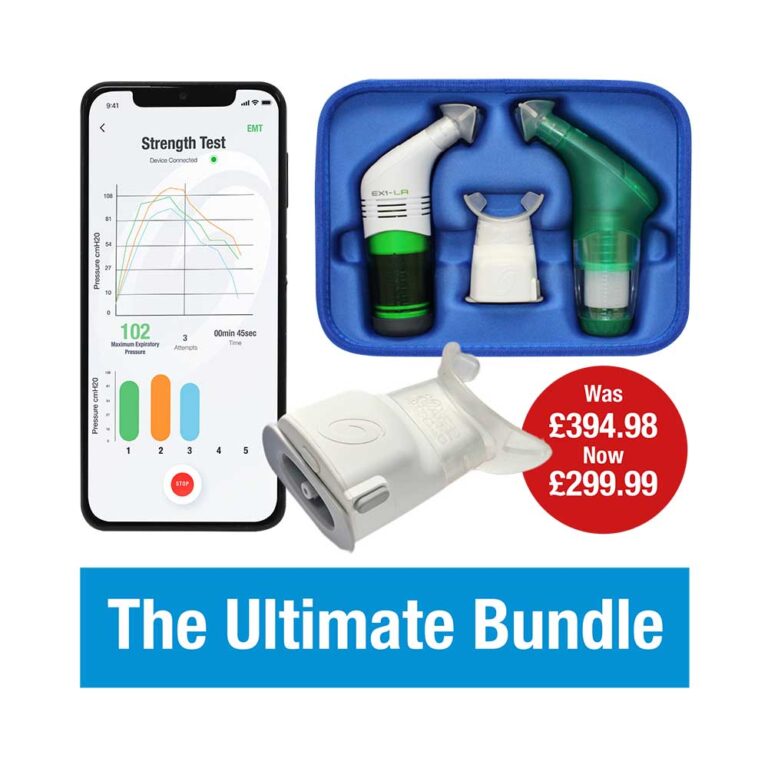
One method involves measuring maximal inspiratory pressure (MIP). Understanding your MIP is particularly useful when assessing the strength of the diaphragm and other intercostal muscles. Certain devices in POWERbreathe K-Series range can measure MIP. You can see this in real time and view historical data by connecting it to a PC or Mac via the Breathe-Link® Software. The Smart Adaptor, which can connect to any POWERbreathe Plus or POWERbreathe EX1 device, can also measure inspiratory and expiratory breathing muscle strength.

Can POWERbreathe Help Improve Breathing Capacity?
POWERbreathe inspiratory muscle training devices are designed to strengthen your breathing muscles, improve breathing stamina and reduce breathing muscle fatigue. They do not physically increase the size of your lungs. They target the muscles responsible for drawing air into them.
A 2025 study by Okryzmowska et al., published in the Journal of Clinical Medicine, investigated the effects of inspiratory muscle training on 32 high-level middle-distance runners. The researchers compared different approaches to inspiratory muscle training, including using POWERbreathe devices.
Following training, the POWERbreathe group demonstrated significant improvements in their maximal inspiratory pressure (MIP), peak expiratory flow, and measures of physical performance. The researchers concluded that POWERbreathe training could be successfully incorporated into training programmes to support respiratory muscle performance.
“Based on the obtained results, it can be concluded that high-intensity inspiratory muscle training using the PowerBreathe device is more effective than training with the Threshold device. It demonstrates superior efficacy in enhancing most spirometric parameters, respiratory muscle strength, and overall physical performance in both women and men.”
Explore the POWERbreathe K-Series, and the full range of our inspiratory muscle training devices. If you’re unsure on which device to choose, feel free to contact the POWERbreathe team if you need advice on choosing the right information.