Some people will be able to run with chronic obstructive pulmonary disease (COPD), but it will depend on your symptoms, fitness levels and how well your condition is managed. Regular exercise is actually encouraged for people living with COPD as it can improve breathing and reduce some of the symptoms you experience.
If you do decide to start running with COPD, slowly build towards your goals, because a sudden increase can very occasionally cause problems. Walking in addition to inspiratory muscle training can help prepare your body for exercise, especially when living with COPD. If your COPD symptoms are severe, or you have not exercised for a long period of time, speak to your GP or healthcare professional before starting to run.
Can you Run with COPD and Stay Safe?
When exercise is introduced gradually, at an appropriate intensity, running with COPD can be safe for the majority of people. COPD causes airflow limitation and commonly leads to breathlessness, which can make exercise feel difficult, and in some extreme cases, unsafe.
COPD can vary considerably between individuals. Someone with mild COPD who already walks regularly may be able to start jogging for short periods of time relatively comfortably. Someone with COPD who experiences breathlessness during everyday activities, may need to build up more slowly, through walking or pulmonary rehabilitation.
The NHS advises that exercising until you are a little bit breathless is not dangerous for most people living with COPD, but people should avoid pushing themselves too far. Running with COPD may not be the goal for everyone; being regularly active at a level that is appropriate for the individual is more important.
Why may Running be Harder with COPD?
When running, the respiratory system plays a critical role in the body’s proper functioning and during any type of vigorous physical activity, your muscles require a significant amount of oxygen. As a result, the respiratory system must work much more quickly and efficiently to deliver this oxygen.
Air is pulled into the body through the mouth or nose, and then flows down the airways into the lungs. In the lungs, oxygen is exchanged for carbon dioxide. After this exchange, oxygen is transported to various parts of the body, while carbon dioxide is exhaled.
Breathing conditions such as COPD can be caused by a number of problems in the lungs or airways. COPD is a progressive group of conditions including emphysema and chronic bronchitis. Sufferers of COPD can feel more short of breath, even while at rest. Breathlessness can therefore become significantly worse during exercise, like running.

What are the Benefits of Exercise with COPD?
Exercise will not cure COPD, but becoming more physically active can improve your ability to carry out everyday activities. The 2026 GOLD report encourages people with COPD to increase the amount of exercise they do as an important part of COPD management.
As explained above, exerciseshould be tailored to the individual.There is no absolute need to run with COPD as a means of exercising, but if running is something you enjoy or would like to work towards, then COPD does not necessarily mean you have to give it up or not try.
Exercises for People with COPD
There are several different exercises that people with COPD can do to improve their fitness levels and reduce breathlessness. These exercises are of varying levels of intensity. Options include:
- Arms Curls
- Chest and Bicep stretches
- Tai Chi
- Chair Dancing
- Exercising on Oxygen
- Walking
If you are exercising and notice worsening shortness of breath, chest pain, feeling dizzy or lightheaded, then you should stop exercising immediately.
Taking advice from your GP or medical health advisor may help to improve your COPD symptoms, enabling you to improve running performance if you are a keen runner or are looking at starting to run.
How to Start Running With COPD
If your healthcare professional is happy for you to start running with COPD, the safest approach is to train gradually. Rather than attempting a long run to start with, you should walk first. Make sure that you walk at an intensity you can manage comfortably.
Once you achieve this, you can graduate to jogging for short intervals. Make sure you give yourself enough time to recover. Once you notice you can manage this, you can slowly increase the intensity gradually. Keep a close eye on your breathing level. If you notice you are becoming more breathless than usual, then you should take a rest before re-starting.
It’s also important to take note of how you feel on that particular day. COPD symptoms can vary, so if you have planned a run, make sure you remain vigilant. Change plans if necessary.
Can Strong Breathing Muscles Help Running With COPD?
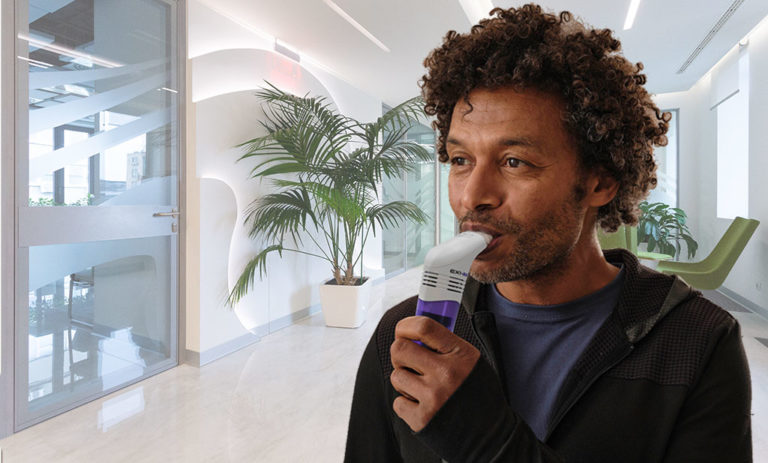
Yes, research has shown that inspiratory muscle training (IMT) with POWERbreathe increases exercise capacity, reduces shortness of breath and improves the quality of life for people living with COPD.
A 2024 randomised controlled trial by Shiraishi et al. investigated inspiratory muscle training in people with COPD using the POWERbreathe K3.
Participants completed 30 breaths twice a day for 12 weeks. Inspiratory muscle strength increased significantly, and researchers also found improvements in diaphragm movement, breathlessness and exercise tolerance. Exercise endurance also increased by an average of 139 seconds, suggesting that strengthening the inspiratory muscles can help people with COPD tolerate physical activity for longer. There are several breathing exercises for people living with COPD.
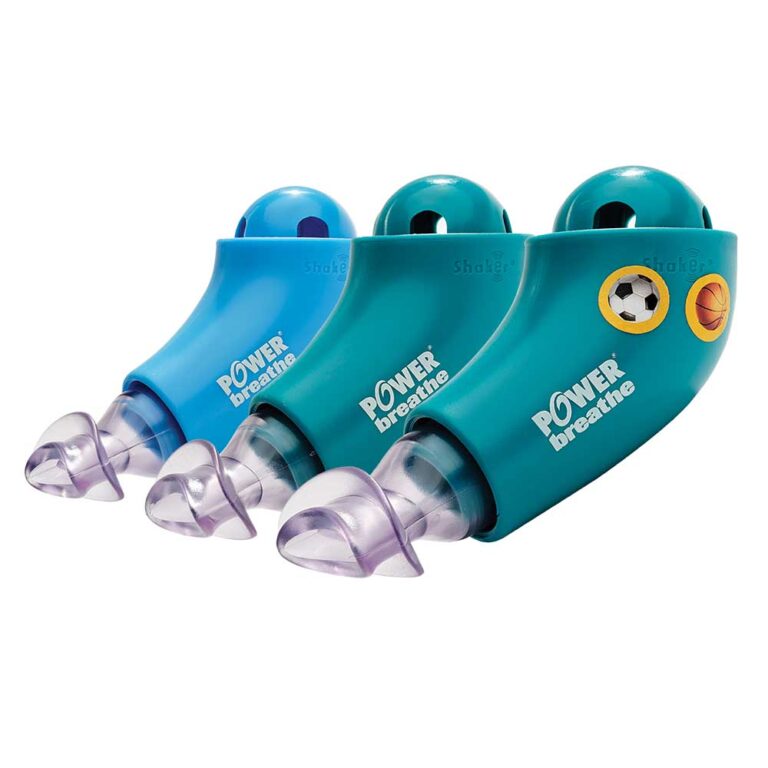
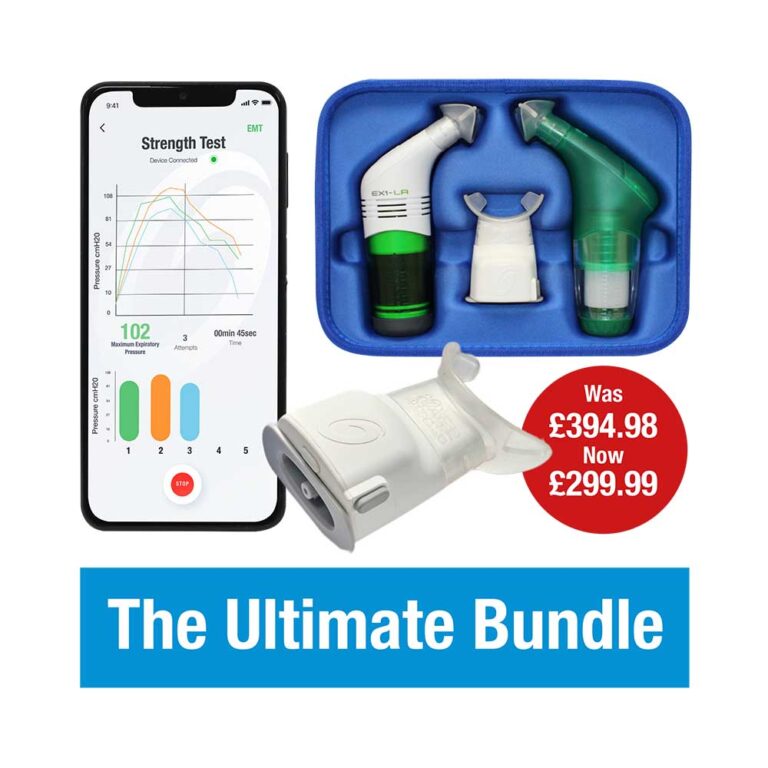
If you are looking to make running or regular exercise feel more manageable with COPD, POWERbreathe IMT devices can strengthen the muscles you use to breathe in. Explore the range of POWERbreathe breathing trainers to find an option suited to your needs. If you are unsure which device is right for you, then get in touch with the POWERbreathe team for further advice and support.