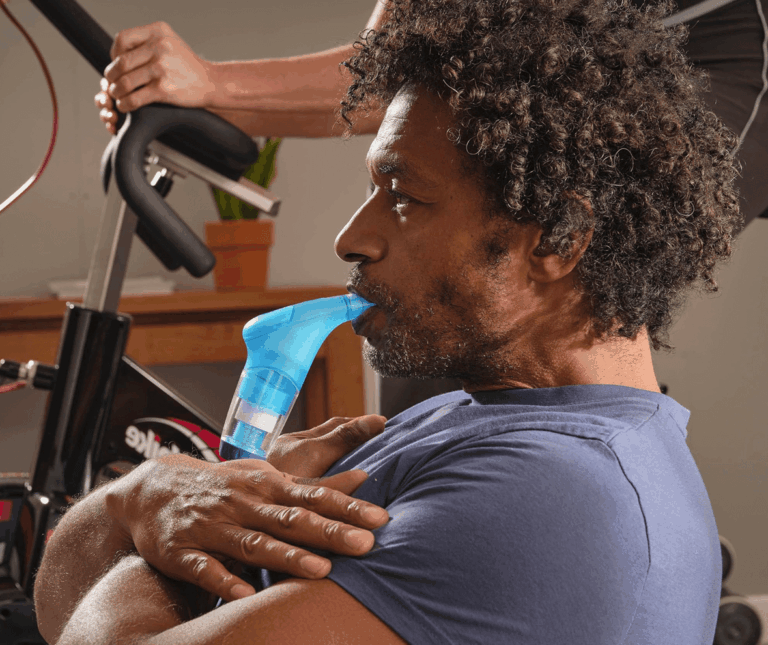
Covid Recovery
World Health Organisation references POWERbreathe IMT by name in their recovery management plan for rehabilitation of patients with COVID-19.
Because COVID-19 is a new infection, long-term research has yet to be conducted. However, this article highlights a link between inspiratory muscle performance and COVID-19.
The Risk Reduction Model in the article suggests home-based respiratory muscle training (RMT), such as POWERbreathe Inspiratory Muscle Training (IMT), could be prescribed to patients with impaired respiratory performance. RMT is shown to be effective early on and therefore might help to prevent disease in at-risk patients if IMT is used at the outbreak of a viral pandemic.
This clinical trial into rehabilitation for people with COVID in ICU, sees participants starting respiratory training, including ‘cautious inspiratory muscle training’, immediately.
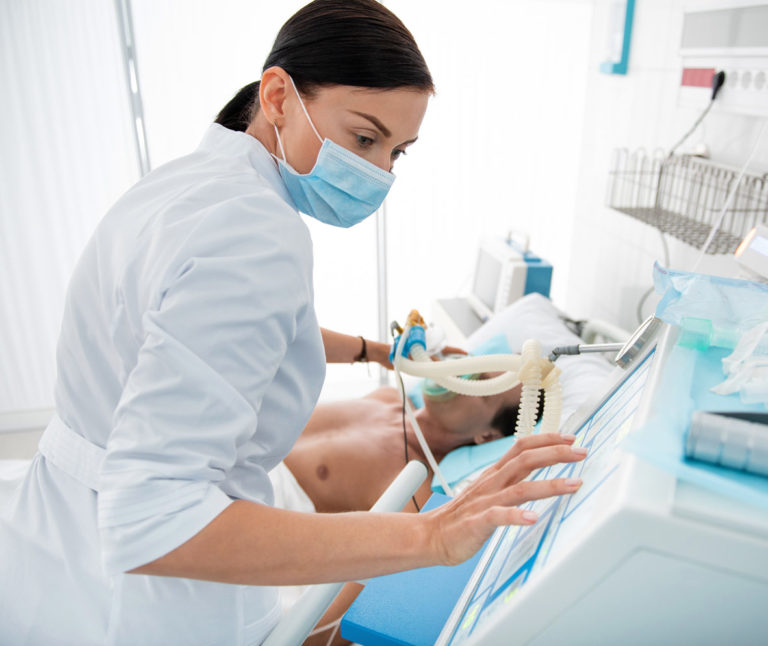
Recovery From COVID
As many COVID patients suffer with breathing problems, possibly leading to a stay in ICU and on a ventilator, existing research is being drawn upon to prevent at-risk patients becoming susceptible in the first place. It suggests that RMT could help to speed up recovery and consequently discharge home.
In fact, ‘Physiotherapy Management for COVID-19’ in the Acute Hospital Setting recommends the use of IMT as part of the weaning process. Also IMT may represent an important home-based COVID-19 rehabilitation strategy. And this 2023 study shows that inspiratory muscle training may be an important adjunct after COVID-19.
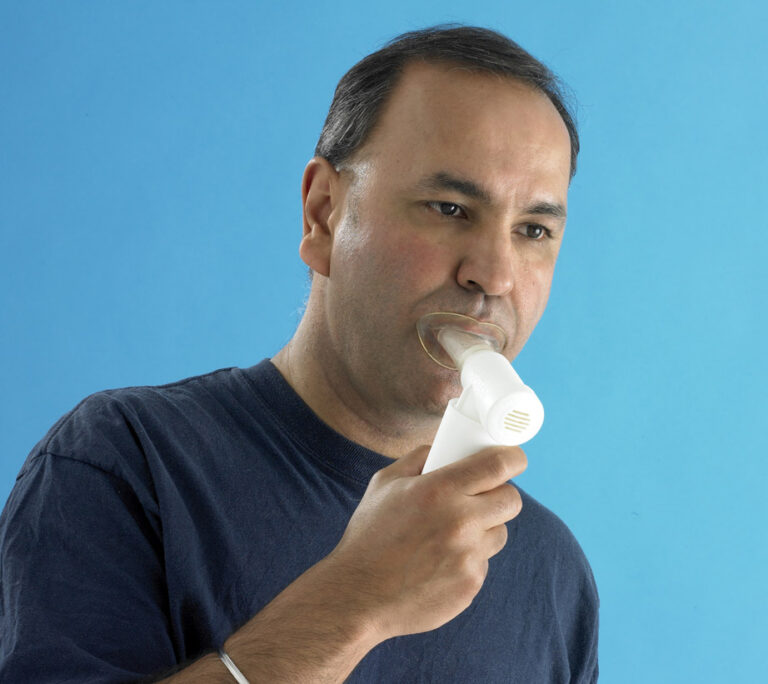
Long COVID Recovery
Although patients recovering from COVID are likely to experience extreme respiratory muscle weakness, this low baseline means that they are also likely to receive the greatest benefit from respiratory muscle training (RMT), such as with POWERbreathe IMT.
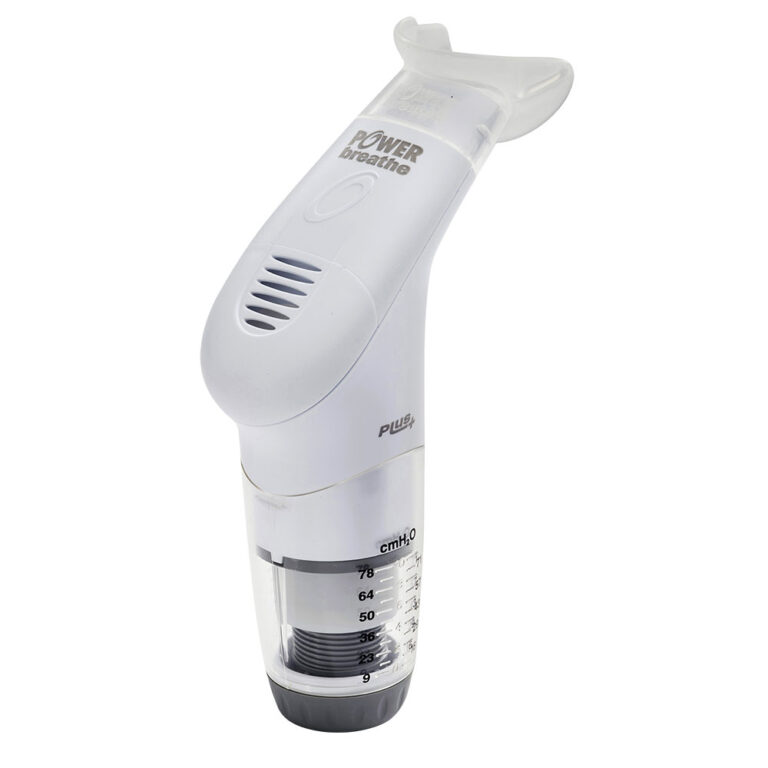
In 2024 new research finds that using the POWERbreathe Plus device, combined with aerobic exercise and sensory training for smell and taste, can help treat breathing and neurological problems in patients who have experienced these issues due to COVID-19.
Furthermore, another 2024 study investigated the impact of IMT on diaphragm and inspiratory muscle weakness and exertional dyspnea in individuals with long COVID, finding that, compared to sham treatment, IMT made the diaphragm and breathing muscles work better, reduced how quickly these muscles got tired, increased voluntary control of the diaphragm, and eased shortness of breath. These benefits lasted for 6 weeks after finishing the IMT.
High Blood Pressure
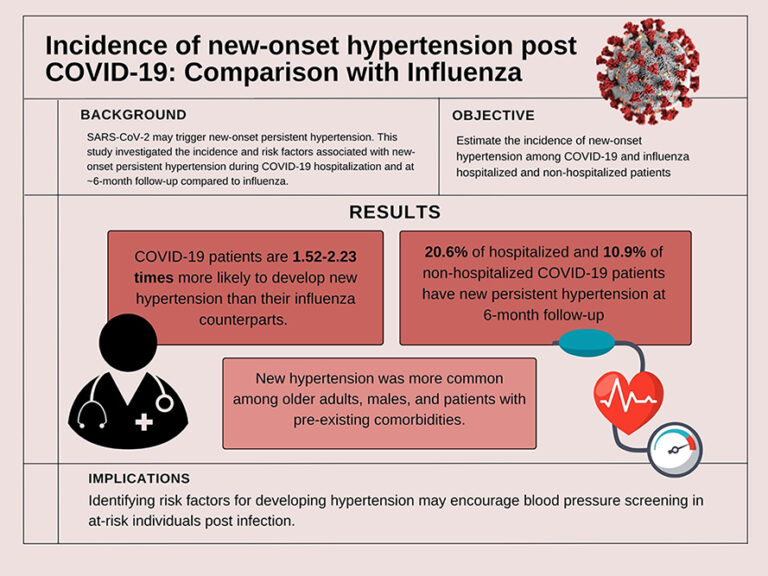
A 2023 study found that there were more incidents of new-onset high blood pressure in COVID-19 patients than there were with flu. They therefore considered this to become a likely major health burden.
A study at the University of Colorado found that performing Inspiratory Muscle Strength Training (IMST) with the drug-free POWERbreathe K3 can be as effective as medicine in lowering high blood pressure.
Select An Activity
Asthma
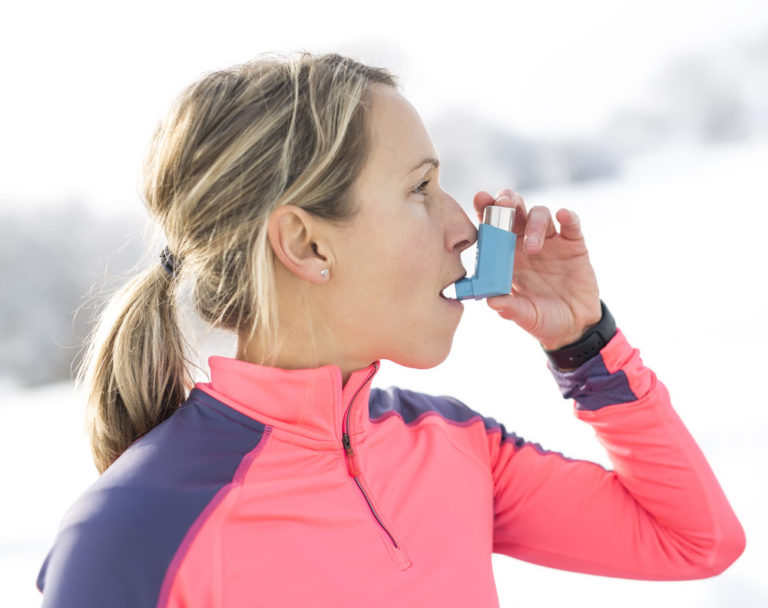
Breathing Effort In Asthma You’ll be familiar with symptoms such as coughing, wheezing, shortness of breath and tightness in the chest. If your asthma is not well controlled you may find it difficult to breathe; breathe with short shallow breaths; or feel that you can’t maintain your usual level of activity. Inspiratory Muscle Training (IMT), […]
Read More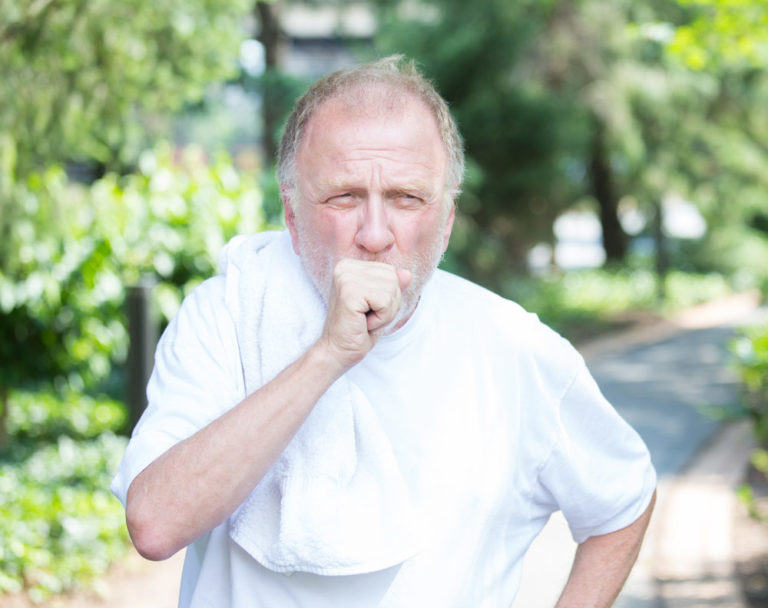
COPD
Breathing Effort In COPD If you have COPD, emphysema or chronic bronchitis, you will have weak breathing muscles, making it harder for you to get air in and out of your lungs. Dyspnoea, a feeling of difficult, laboured breathing or shortness of breath, is common in COPD, and breathing muscle weakness is a contributory factor […]
Read More
Pre and Post-op
Breathing Effort Following Surgery Breathing complications after major surgery can include pneumonia, bronchospasm and respiratory failure. In fact, weakness of the inspiratory muscles (the muscles you use to breathe in) was found in 25% of preoperative cardiac surgery patients in this trial. Inspiratory muscle weakness can also be the result of a number of causes, […]
Read More
Heart failure and Disease
Breathing Effort In Heart Failure And Heart Disease Heart failure usually results from another disease, most commonly coronary heart disease. They have similar symptoms, including shortness of breath (known as dyspnea) and fatigue which affect how physically active you are. With heart failure, your heart is unable to properly pump blood around your body, causing […]
Read More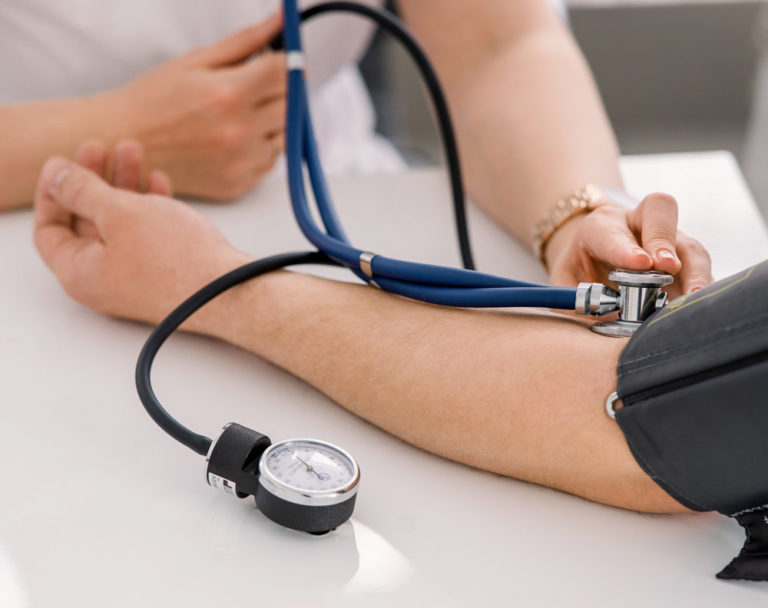
Blood Pressure
Research aired on NPR (National Public Radio) in the USA highlighted findings of how daily breath training with POWERbreathe IMST, using the POWERbreathe K3, can work as well as medicine to reduce high blood pressure. A subsequent retrospective analysis of the aforementioned research provides the strongest evidence to date that POWERbreathe IMST (Inspiratory Muscle Strength […]
Read More
Stroke
Effect Of Breathing Fatigue In Stroke Recovery Not only does stroke affect you psychologically and cognitively, but physically too. One aspect of stroke is the feeling of extreme tiredness, or post-stroke fatigue, making movement feel harder and requiring more energy leading to a reduction in tolerance to exercise. Respiratory muscle strength is impaired after stroke […]
Read More
Neuromuscular Disease
Respiratory complication is one of the most common progressive conditions associated with neuromuscular disease or disorder (NMD) and may be the result of inspiratory muscle weakness. You’ll notice signs such as extreme shortness of breath from slight effort, also known as dyspnoea; and use of your accessory respiratory muscles, which indicates effort when breathing. This […]
Read MoreRelated Products
-
Autoclavable
 £44.99
 -
 £18.99
 -
Special Offer

-
Special Offer
-
Inspiratory Training
-
Inspiratory
-
Expiratory

-
Special Offer

-
Mucus Clearance
 £34.99
 -
Bestseller
-
Digital
-
Digital Healthcare
-
Special Offer
-
Inspiratory Training
-
Digital Inspiratory Training
-
 £59.99
Downloads

Diaphragm Dysfunction as a Contributor to Breathlessness after COVID-19 Infection
Targeted IMT may be an important adjunct in the rehabilitation of patients post-COVID-19
The effects of COVID-19 on respiratory muscle performance: making the case for respiratory muscle testing and training
Clinical management of COVID-19
Long COVID: mechanisms, risk factors and recovery
In invasively ventilated COVID-19 survivors, inspiratory muscle strength impairments persisted 6 months after ICU discharge
