Abnormal respiratory rate is a significant predictor of critical illness”. Even little increases or decreases in BRPM (breaths per minute) may signal underlying issues before other symptoms develop. This makes it a valuable measurement in healthcare.
This article will explain the importance of your respiratory rate, explain how many breaths per minute is normal, and showcase how you can measure your own respiratory rate at home so you can monitor BRPM yourself if you have concerns.
The Importance of Your Respiratory Rate
Birmingham City Hospital confirms in research that respiratory rate is an early indicator of physiological deterioration. As a result, it is a good idea to record it along with other vital signs in patients arriving at Accident and Emergency.
NICE guidelines for Recognising and responding to acute illness in adults in hospitals state that, as a minimum, respiratory rate should be one of the physiological observations that are recorded at initial assessment and as part of routine monitoring.
How Many Breaths Per Minute Is Normal?
According to the EWS system (Early Warning Systems), a normal respiratory rate is 9 – 14 breaths per minute. A report reveals that a respiratory rate higher than 27 breaths per minute is the most important predictor of cardiac arrest in hospital wards.
When observing breaths per minute, it’s also useful to record the depth of breathing. This might be noted as ‘shallow breathing’, ‘normal breathing’, or ‘deep breathing’. Also worth noting is whether the accessory muscles are being used, such as the tightening of the neck muscles. This is better known as the “look, “listen” and “feel” approach to respiratory assessment.
Why is it Important to Measure Breaths Per Minute?
If breathing rate is considered to be a vital clinical parameter, then it could be an indicator of your level of health and fitness. The number of breaths you take per minute is a sign of how often your brain is telling your body to breathe. A ‘normal respiratory rate’ is a guideline measurement that has come about by taking an average of all the research.
How to Take Your Own Respiratory Rate
To calculate your own respiratory rate, simply count the number of times your abdomen (or chest) rises and falls within one minute (how many breaths you take). The rate may vary according to your level of physical activity and age.
Because your breathing is automatic and you breathe without really thinking about it, when you come to measure your breathing rate, you may notice that you’re not breathing ‘normally.’
This is simply because you are being particularly conscious and aware of just how you are breathing at that point. Therefore, it is probably better to have a healthcare professional check your respiratory rate for you. A healthcare professional is trained to measure your respiratory rate, sometimes without you even realising it. They will also have a greater understanding about your breaths per minute and can act accordingly.
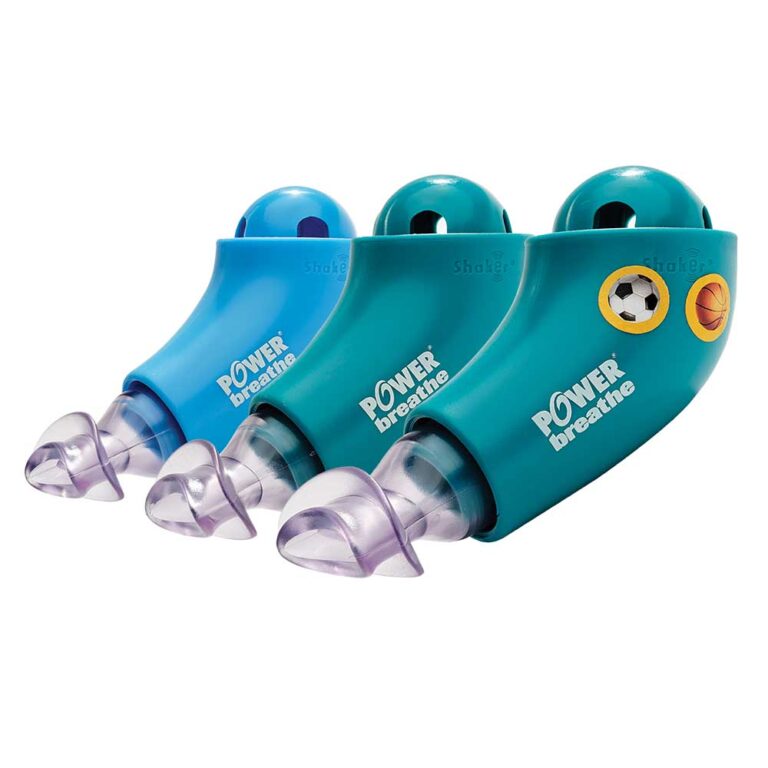
Although your breathing is automatic and you make no real conscious effort to breathe (unless you suffer with breathing difficulties), you may think that it is impossible to influence how well you breathe. But it is something you can positively influence. POWERbreathe inspiratory muscle training provides a physical solution to help you make a conscious effort to control and improve your breathing.
There are many more breathing facts that you may find interesting.
POWERbreathe IMT Can Help You to Control Your Breathing Rate
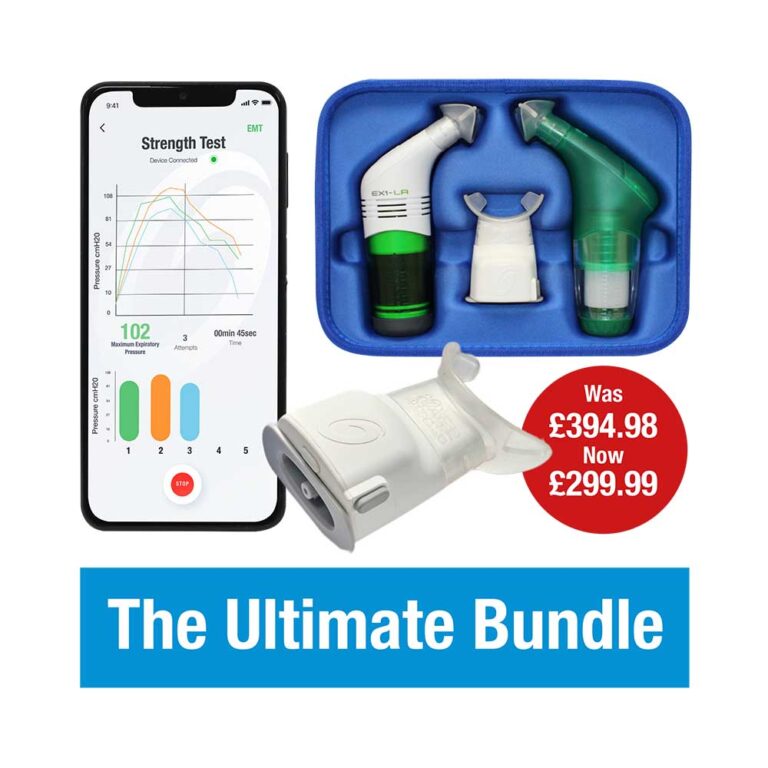
POWERbreathe inspiratory muscle training could help you control your breathing rate. This is because it will teach you how to breathe in deeply and more fully. It will also strengthen your breathing muscles. This is because you breathe in through the device against resistance. The device is essentially a dumbbell for your diaphragm.
After a deep inhale, your exhale is then released in a normal, relaxed manner. This combination of a deep, full breath, which you then exhale at a more natural rate, may help to slow down your rate of breathing.
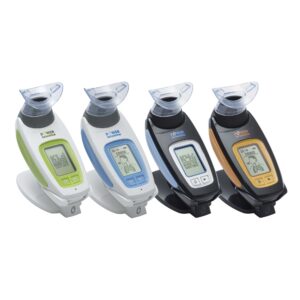
The POWERbreathe K-Series range of IMT devices provides personalised respiratory coaching. Each device is completely adaptable, comfortable to use and includes breathing pacing guidance which helps you to breathe at an appropriate rate. The POWERbreathe K-Series is suitable for virtually everyone and includes features such as the following:
- Auto Adjustment: Automatically estimates your breathing load requirements based upon the first two unloaded breaths of each training session. This takes the guesswork out of where to start in your breathing training and how quickly to progress.
- Manual Adjustment: For those who prefer greater control, this allows you to set and adjust the breathing training load and intensity yourself.
- Resistance Loads: 5 – 200 cmH₂O, i.e., Very Light, Light; Moderate, Hard, Very Hard.
Please review our K-Series Features Chart to find the perfect device for your needs.
If you are concerned about your BRPM, then you should contact your GP and explain your symptoms. If you are looking to improve your breathing, then explore the range of POWERbreathe devices.
-
 POWERbreathe K-SeriesPrice range: £475.00 through £675.00