Shortness of breath can be quite concerning, especially if it’s something you haven’t experienced before. It might be more alarming if it’s suddenly occurring more often. It’s vital to understand the possible reasons for shortness of breath. Often, it’s nothing to worry about, but sometimes it can be serious.
This article will explore the most common reasons for shortness of breath, including shallow breathing patterns and breathlessness with a tight chest. Working out the causes of breathing issues is the first step towards managing symptoms and improving general respiratory health.
The article will also examine how inspiratory muscle training (IMT) with POWERbreathe can help improve respiratory function.
What does shortness of breath feel like?
Experiencing shortness of breath can be alarming. To summarise the experience, it may feel like you can’t get enough air into your lungs. People often struggle to take a deep breath. Their breathing becomes extremely shallow and rapid. This can overlap with the symptoms of air hunger although there are some differences. Air hunger is the sensation of needing to take more air in, either through bigger breaths or a quicker breathing rate. It is a normal breathing reflex but can become over-sensitive and contribute to the feeling of breathlessness.
People suffering from shortness of breath may feel as though they have just completed intense physical exercise despite doing little to no exertional activity in the last 30 minutes. When short of breath, people may find it difficult to carry out normal day-to-day activities, like talking, without pausing for air.
Shortness of breath after completing physical exercise, such as a run or a swim, is completely normal. The severity of shortness of breath depends on the intensity level of the exercise, whether it is aerobic or non-aerobic exercise and the fitness level of the individual involved.
Shortness of breath after exercise isn’t usually a cause for concern – this is the body recovering from oxygen debt sustained during exercise.
Common reasons for shortness of breath
There are many potential causes of shortness of breath. These can vary from lifestyle factors to serious medical conditions. In some cases, shortness of breath can be temporary. For example, poor fitness, which is something that can be rectified through various forms of training.
The diaphragm and surrounding respiratory muscles help the body draw air into the lungs. The strength and performance of these muscles can be improved, just like how weightlifters strengthen their biceps to lift heavier weights.
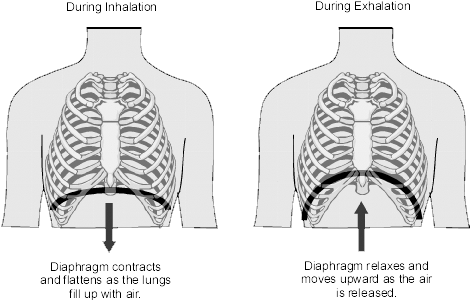
Shallow breathing is a common problem relating to shortness of breath. Instead of breathing deeply, from the abdomen, using the diaphragm, many people use short and shallow breaths that stem from the upper chest. This can develop for various reasons, including long periods of sitting, poor posture, or poor physical conditioning.
Frequent shallow breathing will reduce the amount of air going into the lower lungs, where oxygen exchange is most effective. It also means that the key respiratory muscles weaken naturally because they are not being utilised fully.
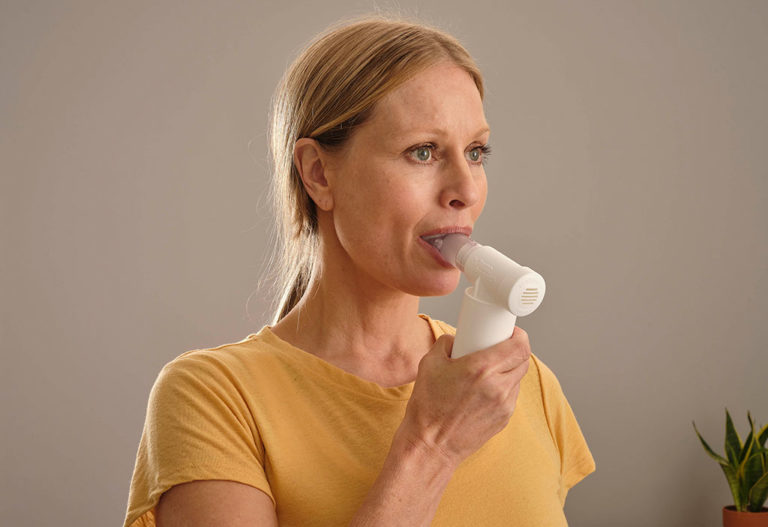
Inspiratory muscle training (IMT) applies resistance during inhalation to strengthen the respiratory muscles. Whether the reasons for shortness of breath are related to general fitness factors or respiratory conditions such as COPD, POWERbreathe devices have been clinically proven to improve respiratory muscle strength in most individuals.
Weak respiratory muscles
If the respiratory muscles become weak, it can cause the sensation of shortness of breath. Weak muscles may mean breathing requires more effort. This can lead to faster breathing rates and a reduction in oxygen efficiency. Shallow breathing often causes weak respiratory muscles.
Stress and anxiety
A common cause of breathlessness and a tight chest is stress and anxiety. When the body gets stressed, breathing tends to get faster and shallower. This sensation can continue after the episode has passed, which can lead to poor oxygen efficiency. Breathing training can help control stress and anxiety.
Reduced physical conditioning
If the body is not exposed to regular physical activity, the respiratory system becomes weaker and less efficient. This may mean everyday activities such as walking upstairs and carrying shopping from the car feel strenuous and lead to a shortness of breath. Gradual breathing training, using POWERbreathe, can help strengthen the respiratory muscles over time.
Respiratory conditions
Respiratory conditions are more serious reasons for shortness of breath. Rather than making basic lifestyle changes, underlying medical conditions may need more urgent attention. This is why it is important to seek medical advice from a doctor if you notice new or frequent shortness of breath.
Sometimes, shortness of breath can be linked to medical conditions affecting the lungs or airways. These are, but not limited to:
- Asthma
- Chronic obstructive pulmonary disease (COPD)
- Bronchitis
- Lung infections
- Allergies
Cardiovascular issues
Other reasons for shortness of breath include cardiovascular medical conditions. If the cardiovascular system is under strain, then it may become harder to breathe. This is because the cardiovascular and respiratory system work in tandem. Possible causes include:
- Heart disease
- Poor circulation
- Anaemia
Problems caused by shortness of breath
Breathing allows the body to draw in oxygen. Working in combination with the cardiovascular system, oxygen is delivered around the body. Organs, muscles and tissues need an optimum amount of oxygen (energy) to function efficiently.
When breathing becomes inefficient due to shortness of breath and/or shallow breathing, the amount of oxygen in the bloodstream decreases. This leads to an increase in fatigue and reduces physical performance.
Inefficient breathing patterns, such as shallow breathing, may prevent the lungs from fully expanding and limit the amount of oxygen that reaches the lower areas of the lungs, where gas exchange is most effective.
When should I see a doctor about shortness of breath?
It is difficult to ascertain the causes of breathing issues without understanding one’s complete medical history and therefore we always suggest getting medical advice from a GP. Occasional shortness of breath is not usually something to worry about, unless the experience is severe.
If you have severe difficulty breathing, are not able to speak properly, have pain that is spreading around the body, lips or skin turning pale, or you feel suddenly confused, then you should call 999 or go to A&E.
You should visit your GP if you experience less severe symptoms but still have concerns because you are getting short of breath whilst completing normal activities.
A healthcare professional can help determine the underlying cause and recommend appropriate treatment if needed. The NHS website holds further information about the symptoms of shortness of breath. You can also speak to your doctor or physiotherapist about respiratory muscle training with POWERbreathe.
How Inspiratory Muscle Training (IMT) with POWERbreathe can help with Shortness of Breath
Inspiratory muscle training with POWERbreathe can help increase respiratory muscle strength. Research has shown that IMT can benefit both healthy individuals and people experiencing breathing difficulties. Many hundreds of unendorsed studies utilising POWERbreathe have found that IMT not only improves respiratory muscle strength but it can also improve the sensation of shortness of breath. Toonstra and Smith (2025) found that both moderate and high intensity IMT leads to improvements in inspiratory muscle strength in healthy individuals. Another clinical study conducted in 2010 by Teresa J. Hahn at Western Washington University highlighted improvements in respiratory muscle strength following IMT.
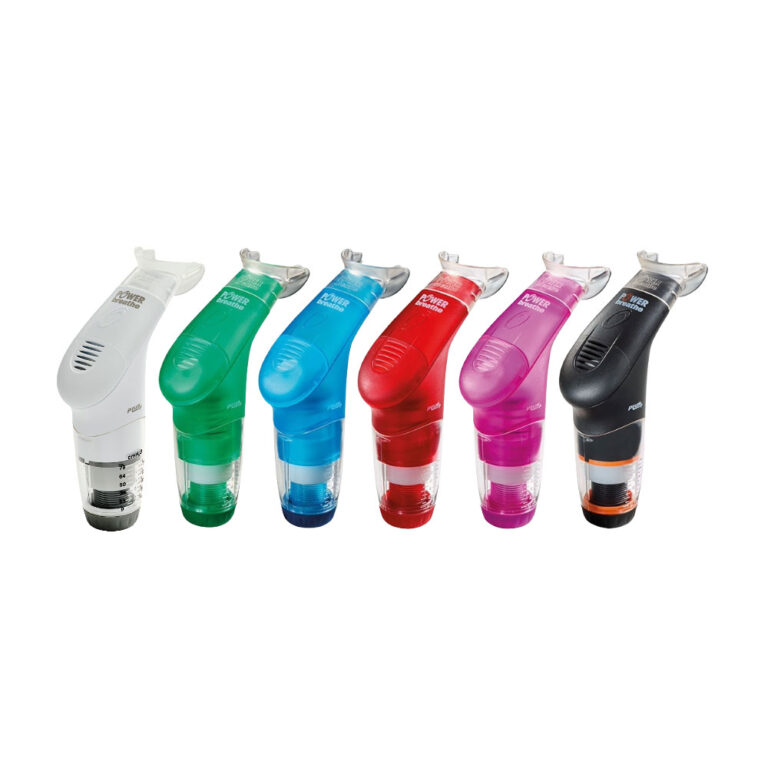
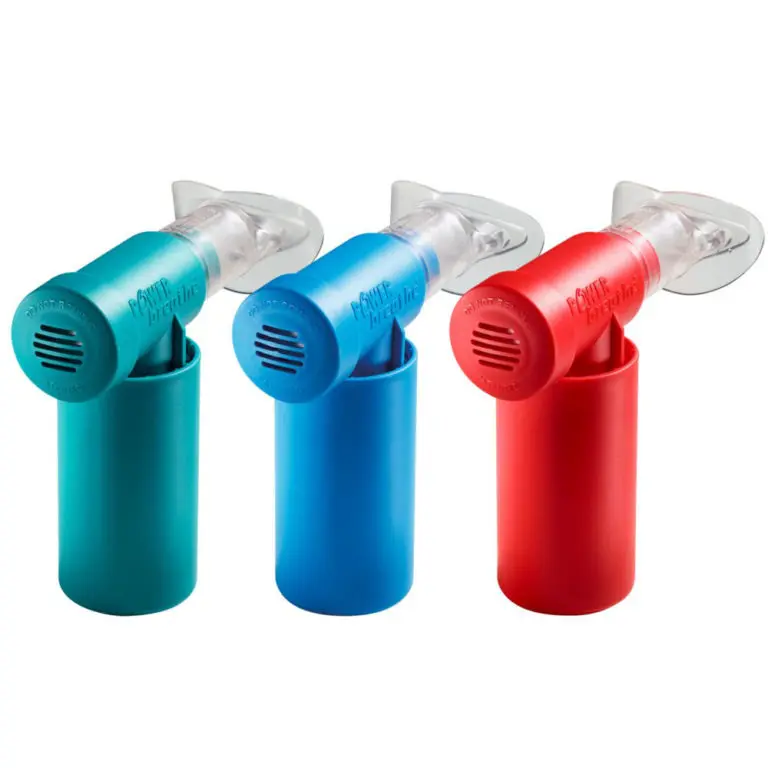
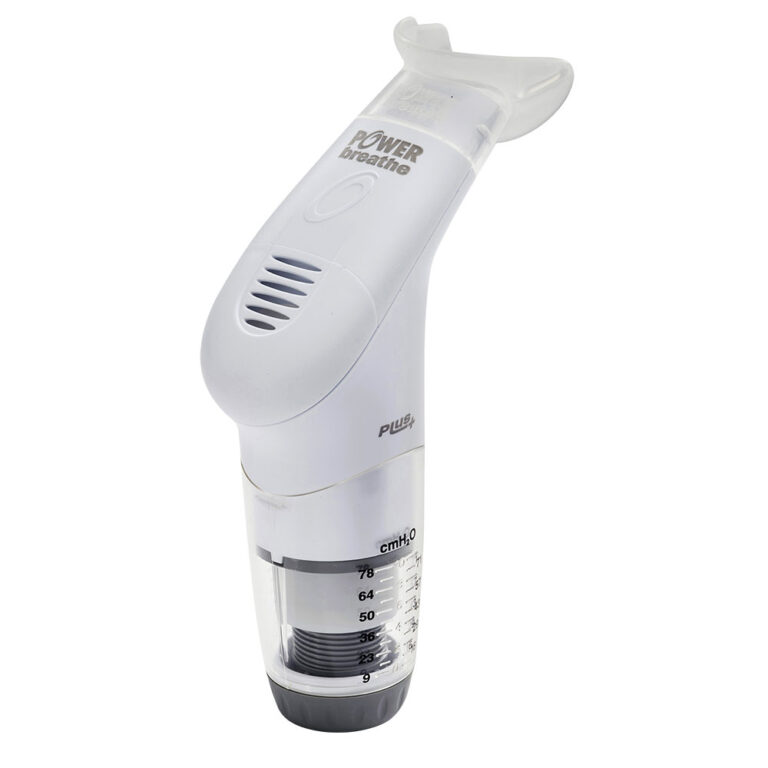
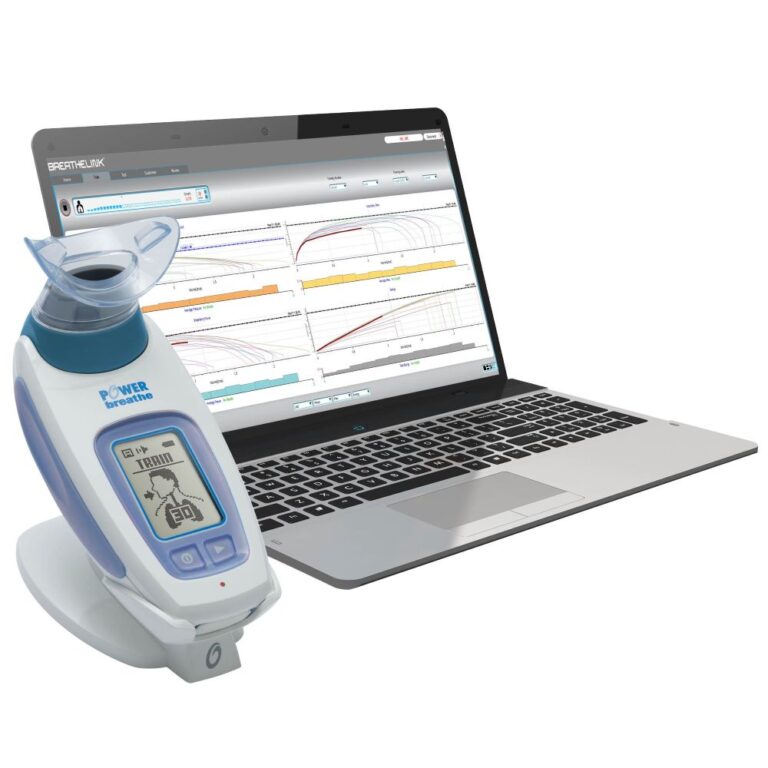
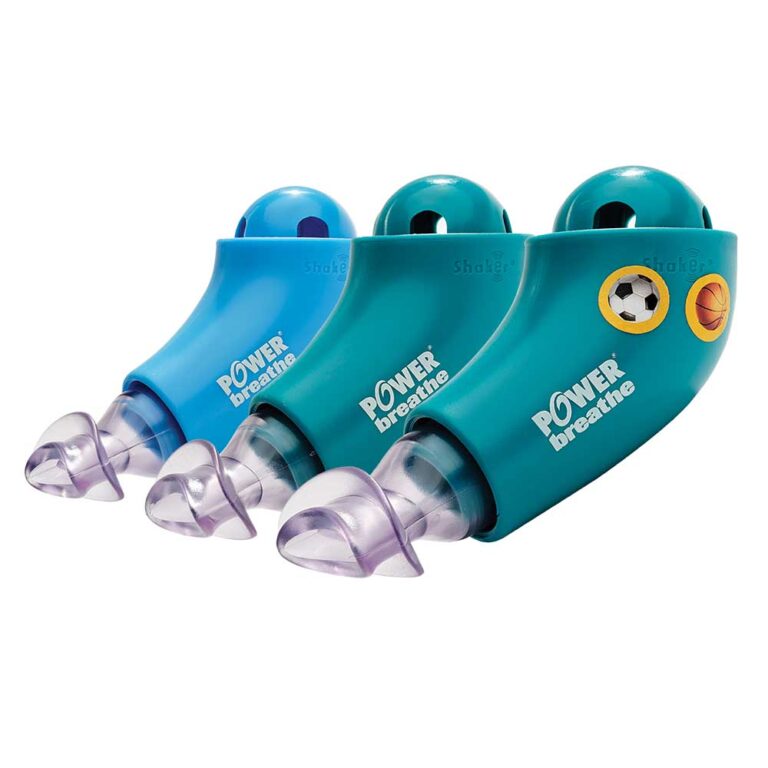
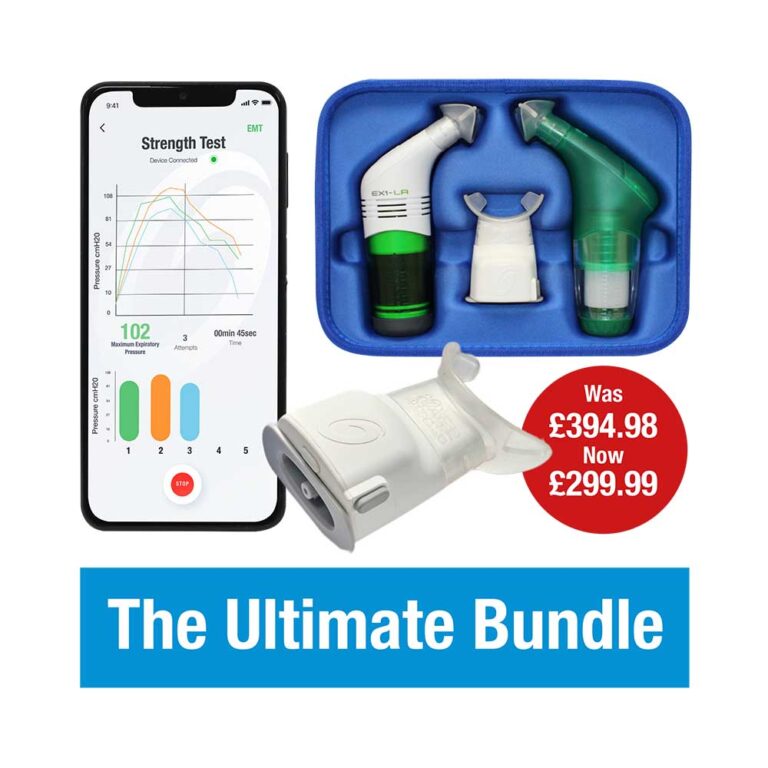
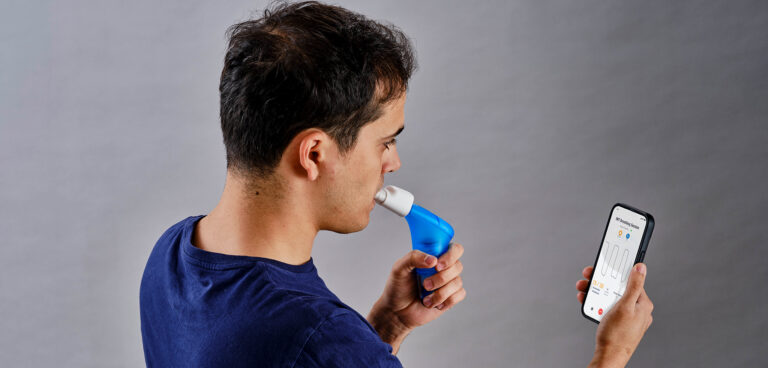
IMT involves breathing against resistance using a breathing device, like a POWERbreathe Plus. All devices in the POWERbreathe IMT range can help with shortness of breath. This includes the POWERbreathe K-Series, which uses cutting-edge technology to enhance your inspiratory muscle training and automatically adjusts the resistance according to your respiratory strength. Most K-Series models feature an automatic setup, MIP testing, real-time guidance and instant feedback making it easier to train your breathing muscles.
With stronger breathing muscles, the body can draw in more air and maximise functional lung capacity. Over time, this can help people who are experiencing shortness of breath, breathe more comfortably during everyday activities and exercise, regardless of the causes of breathing issues. This includes general fitness and well-being reasons, as well as stress and anxiety.
POWERbreathe devices have also been clinically proven to support patients with respiratory conditions such as COPD and asthma.If you are considering using POWERbreathe inspiratory muscle training devices to help manage shortness of breath, then choosing the right device and resistance level is important. The POWERbreathe team is available to help you during your journey. Contact the team today for more information or speak with your doctor.