Asthma and breathing difficulties can be challenging to deal with, especially when symptoms such as shortness of breath begin to affect every day activities. Understanding how asthma affects breathing is an important step in managing symptoms effectively.
This article provides a guide to asthma and breathing. We explore how Inspiratory Muscle Training with POWERbreathe is supported by research and clinically proven to benefit people with asthma by strengthening the breathing muscles and reducing breathlessness. It also highlights techniques for managing shortness of breath and improving breathing control.
What is Asthma?
Asthma is a common, long-term and incurable, chronic inflammatory disease of the airways. Individuals who suffer from asthma will usually experience difficulty breathing because the airways can swell and narrow.
The airways go through three key changes when asthma symptoms occur. Understanding this will help individuals manage asthma and shortness of breath. The key changes are:
- Inflammation: The lining of the airways becomes swollen
- Bronchoconstriction: The muscles around the airways tighten
- Increased mucus production: Airways can become partially blocked
The changes result in narrowing of the airways. This makes it harder for air to move in and out of the lungs and as a consequence, people with asthma often experience shortness of breath.
What are the Symptoms of Asthma?
Individuals suffering from asthma may notice the following symptoms:
- Wheezing
- Coughing
- Shortness of breath
- A tight chest
The symptoms of asthma can vary in severity. Sometimes, the symptoms are mild and come and go.
Asthma symptoms, including shortness of breath, usually flare up during exercise, exposure to high levels of air pollution, breathing in cold air, or having contact with something you are allergic to. It’s most common for asthma and breathing difficulties to start during childhood, but they can develop at any age.
Asthma is a chronic condition, so symptoms will never permanently go away. However, there are actions individuals can take to help relieve asthma symptoms.
What is an Asthma Attack?
An asthma attack occurs when symptoms suddenly occur or get worse very quickly. During an attack, the airways narrow significantly, and breathing becomes much more difficult. This is when asthma and breathing become very dangerous and some people will require urgent medical treatment.
Recommended Breathing Exercises for Asthma
With asthma potentially having a negative effect on lifestyle at various times, it’s understandable why individuals with asthma and breathing difficulties will want to know how they can strengthen their lungs.
Breathing exercises, combined with inspiratory muscle training using a POWERbreathe device, have been found to help improve respiratory muscle strength, which can help to improve breathing control and reduce episodes of shortness of breath in asthma sufferers.
When breathing becomes more efficient, the body can use oxygen more effectively, which may help reduce fatigue and improve tolerance to everyday activities. Structured exercises and training focus on strengthening the respiratory muscles and improving breathing mechanics. The following breathing tips for asthma can help support better breathing management.
Paced Breathing
Breathing tips for asthma often centre around pacing. This can help you manage your breathing if you are suffering from asthma, as it helps you maintain control. The 4-7-8 breathing technique is one of the best for those with asthma, as it focuses on making exhalations longer than inhalations.
The 4-7-8 breathing technique involves breathing in for 4 seconds, holding the breath for 7 seconds, and exhaling for 8 seconds. Learn more about the 4-7-8 breathing technique with this explainer.
Pacing can also mean planning ahead. Asthma sufferers may want to consider all the activities they plan to undertake during the week and spread them out. This approach is particularly helpful for individuals who suffer from asthma but regularly play sports or exercise.
One of the triggers for asthma is exercise, so it’s important to listen to your body. You may need to slow down if you feel an asthma attack is developing.
Pursed-Lip Breathing
Pursed-lip breathing is helpful for people who experience shortness of breath and asthma. This is because it slows the breathing rate, reduces air trapping in the lungs, and attempts to keep airways open for longer. It will also help oxygen exchange.
To complete this breathing technique, you should find a comfortable sitting position. To start the exercise, breathe in (inhale) slowly through your nose for two seconds. Keep your mouth closed during the inhale. Then breathe out (exhale) slowly through pursed lips for 4 seconds. This should allow you to control your breathing rate, making each breath more effective.
The technique will regulate breathing patterns to help reduce shortness of breath with asthma. It can reduce the feeling of breathlessness during exercise or stressful situations. It can also help reduce asthma symptoms.
Diaphragmatic Breathing
Diaphragmatic breathing focuses on the diaphragm. If individuals perform this exercise correctly, it may help them to maximise lung efficiency. This technique isn’t as easy as the others. It may take a bit of practice before you perfect it. During your first attempts, it may be better to lie on your back. Once you become comfortable with the technique, you may want to try it sitting in a chair.
To start the exercise, lie on your back. Bend your knees and make sure your head is supported. Place one hand on your upper chest and the other on your abdomen. This helps you put the focus on the diaphragm when breathing.
Breathe in slowly through your nose and ensure your stomach moves out. The hand on your abdomen should rise, while the hand on your chest should remain in the same position.
When breathing out through pursed lips, your stomach will move in, causing the hand on your abdomen to lower. The upper hand should remain still again. You may notice that you get tired when trying this breathing exercise.
This breathing tip for asthma helps because it slows your breathing rate and reduces the demand for oxygen. It’s a breathing technique that uses less energy while helping strengthen your diaphragm.
Breathing Control During Exercise
Physical activity can trigger asthma symptoms. But avoiding activity entirely isn’t ideal, as it can lead to further problems later in life. The following tips may help combat asthma and breathing issues when exercising.
- Warm up gradually
- Use paced breathing during movement
- Take breaks when needed
- Follow your prescribed inhaler plan
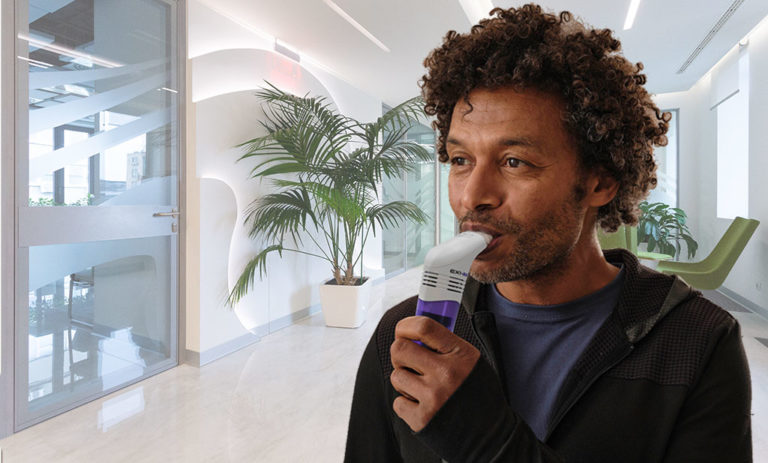
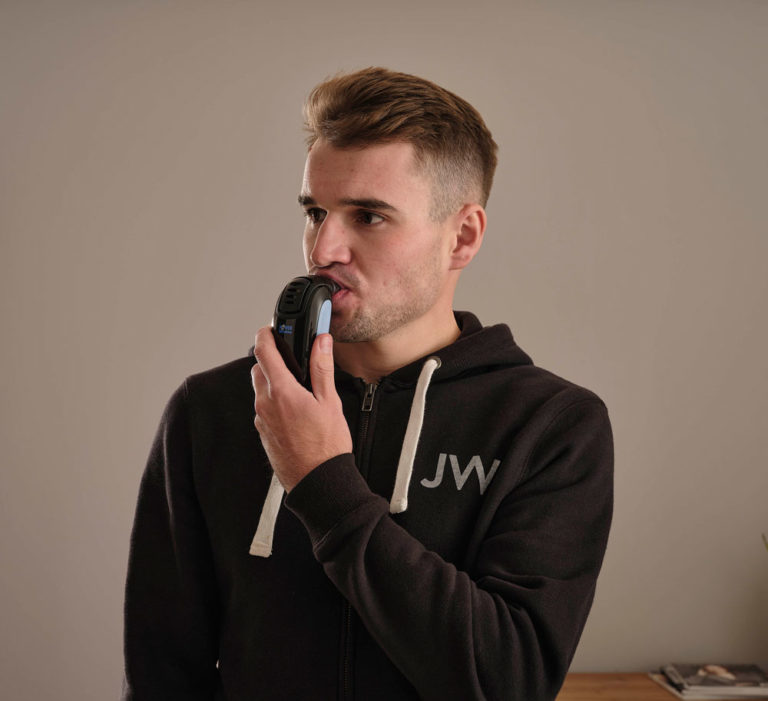
You can also help relieve your exercise-induced asthma symptoms by warming up your inspiratory muscles with a POWERbreathe device. This approach can help reduce episodes of asthma and shortness of breath during exercise.
Inspiratory Muscle Training (IMT) with Asthma
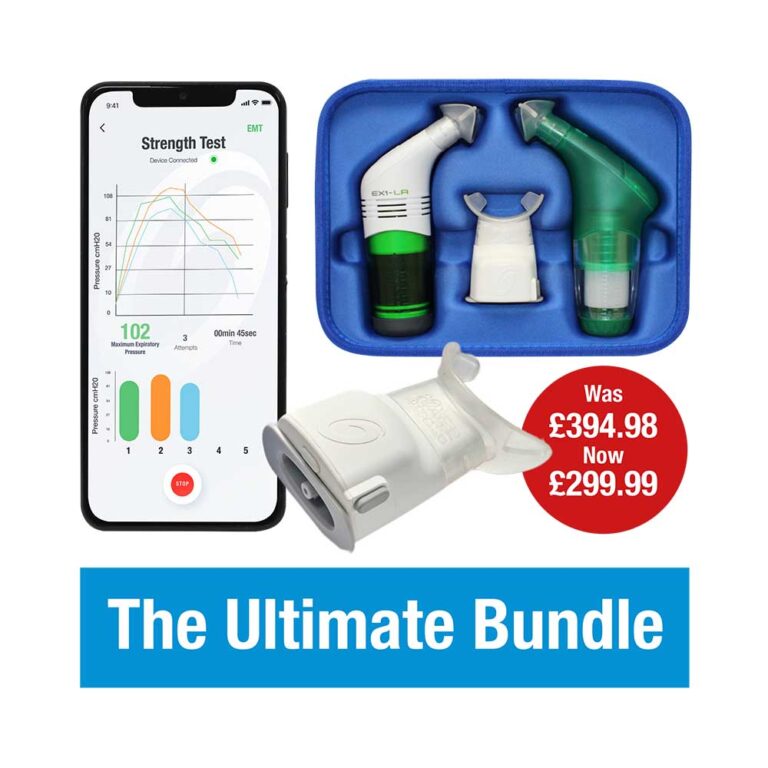
POWERbreathe Inspiratory Muscle Training is clinically proven to benefit people with asthma. After undergoing a thorough assessment, the POWERbreathe Medic IMT device is available for prescription in the United Kingdom.
A study by Weiner et al. titled Inspiratory Muscle Training in Patients with Bronchial Asthma found that consistent inspiratory muscle training reduced symptoms and helped individuals with asthma.
“In patients with asthma, the respiratory muscles have to overcome the increased resistance while they become progressively disadvantaged by hyperinflation. In our study, we found that specific inspiratory threshold loading training, five times a week, for 30 minutes each session, for six months, markedly improved inspiratory muscle strength and endurance, as well as reduced asthma symptoms, hospitalisations for asthma, emergency department contact, absence from school or work, and medication consumption in patients with asthma.”
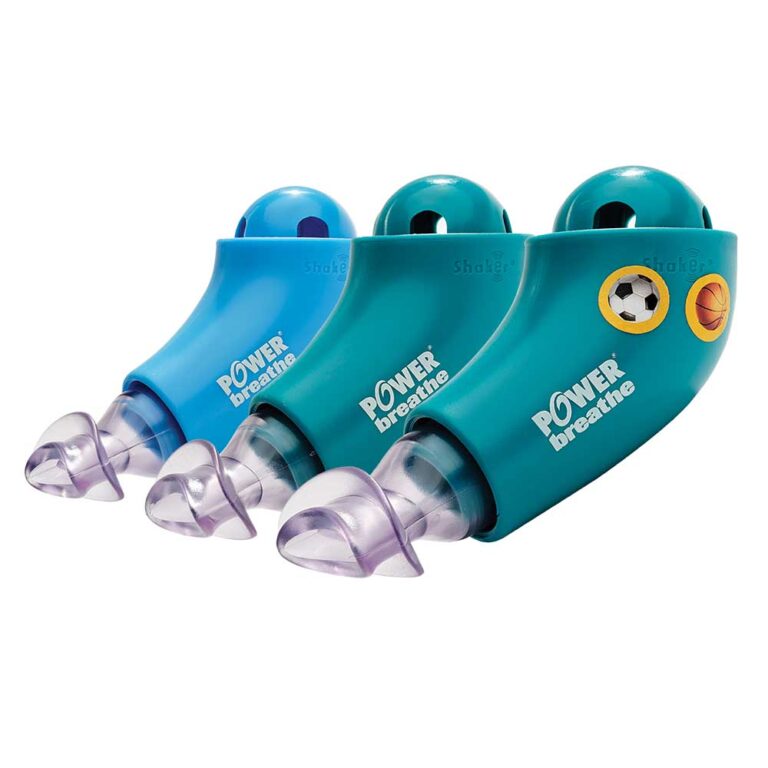
All devices in the IMT range can support patients with asthma. This includes the POWERbreathe K-Series, which uses cutting-edge technology to enhance training for those with asthma and other respiratory problems. Devices in the K-Series benefit from world leading, patented, tapered loading, whereby the resistance is automatically adjusted to the user’s respiratory muscle strength. This allows users to train for longer and more efficiently. Using a device in the K-series makes it easier to train and breathe more strongly. This will help those who experience shortness of breath with asthma.
If you are considering using POWERbreathe inspiratory muscle training devices to help with asthma symptoms, choosing the right device and resistance level is important. The POWERbreathe team is available to help you during your journey. Contact the team today for more information or speak with your doctor.