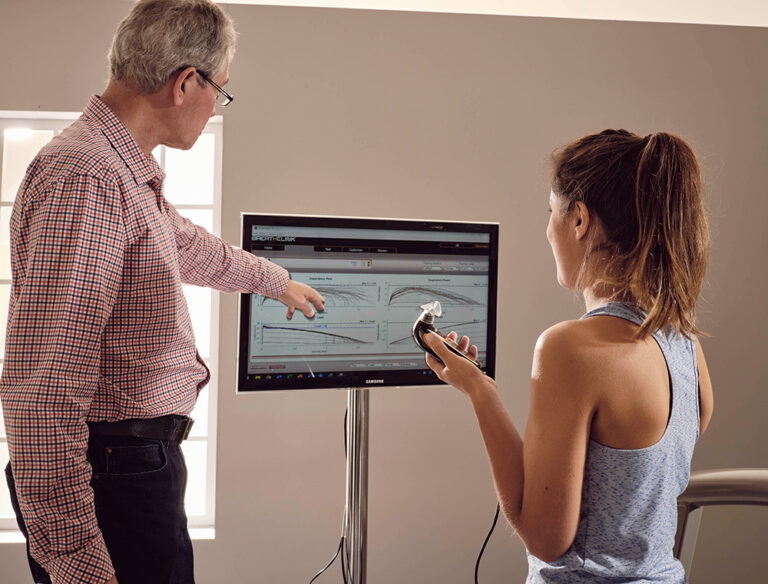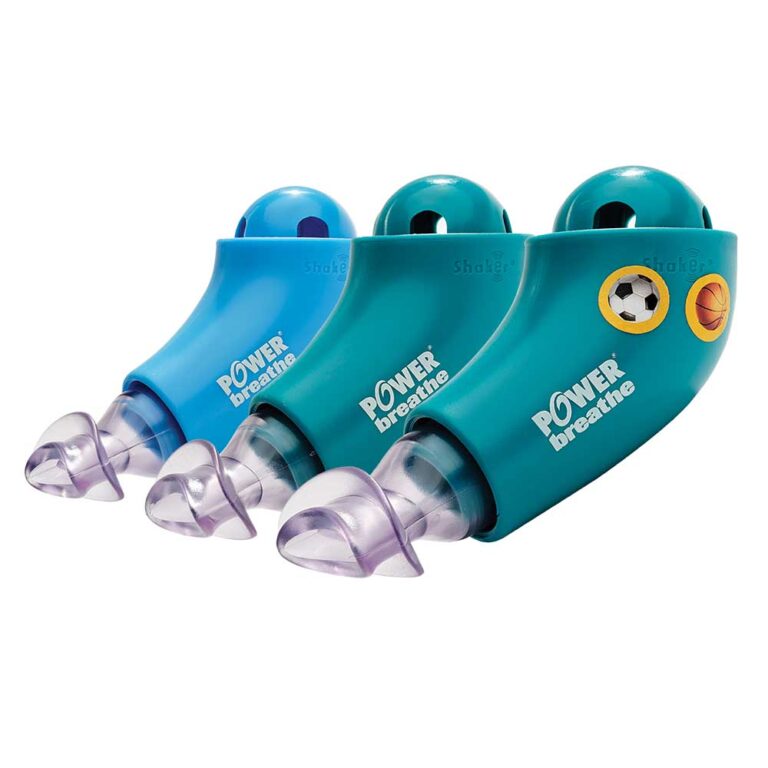
Inspiratory muscle training (IMT) is like ‘dumbbells for your diaphragm’. It is likened to this because, just as you might use dumbbells to improve the strength of your biceps, IMT uses resistance training to improve the strength of your inspiratory muscles.
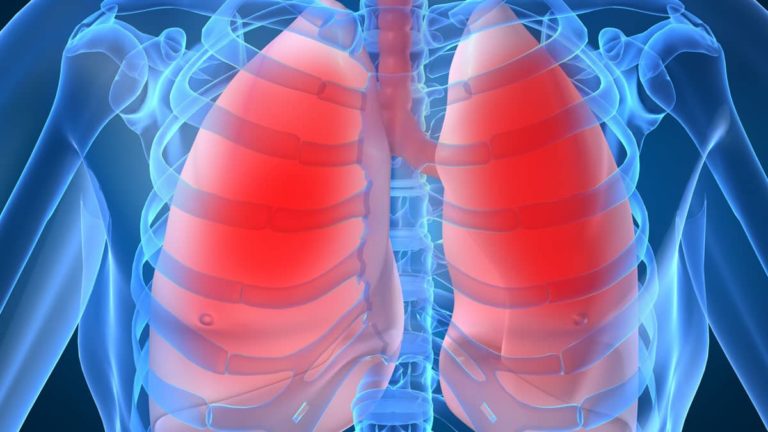
Your main breathing muscles are your diaphragm and intercostals. And, by training them with inspiratory muscle training, you are able to improve their strength, stamina and reduce breathing fatigue. This is beneficial not only for athletes to improve sports performance but also for people with breathing problems and healthy people who wish to feel less breathless with exertion.
POWERbreathe inspiratory muscle training devices are drug free and scientifically proven to improve lung health and breathing strength. POWERbreathe breathing trainers are often the go-to devices used in research and trials around the world.
Who Can Benefit From Inspiratory Muscle Training?
People who suffer from medical conditions such as asthma, bronchitis, emphysema and COPD will benefit from POWERbreathe’s inspiratory muscle trainers. Other people that use IMT include athletes, or people looking to enhance their sports and fitness performance, performing artists and people looking to improve day-to-day life and breathing.
This is because inspiratory muscle training strengthens the breathing muscles, improving breathing stamina and strength. In fact, studies show that regular IMT increases your endurance during exercise or sports activities, such as running and cycling, as well as vocal strength and performance.
When you breathe normally, you typically use between 10 and 15 per cent of your total lung capacity. However, with inspiratory muscle training, you can typically increase the amount of lung capacity you’re able to use. Deeper breathing with IMT uses a bit more energy, just like any other type of strength training. But with each deep breath, it also allows more oxygen to enter your bloodstream.
At the same time, you’re strengthening your breathing muscles. Performing 30 breaths twice a day with a POWERbreathe inspiratory muscle trainer for at least six weeks significantly reduces the amount of oxygen you’ll require while exercising. This results in more oxygen being available for your other working muscles, such as your legs, while running or cycling.
Why Train Your Inspiratory Muscles
During exercise, your body’s demand for oxygen increases. As a result, your breathing volume or ventilation must also rise to cope with the oxygen demand. For this to work, numerous muscles surrounding your lungs need to contract in an exceedingly coordinated manner. As the intensity of the exercise increases, your inspiratory muscles must contract more forcefully and rapidly to keep pace with the body’s substantial increase in metabolism. The role of inspiratory muscle strength training therefore has huge benefits for respiratory health in medical conditions, fitness and sports training, and performing arts.
How do I Perform Inspiratory Muscle Training?
Improving your breathing muscle strength will require regular training, like regular exercise improves your fitness. In fact, science shows that just 30 breaths twice a day will make a difference. POWERbreathe IMT, used in the study, is scientifically proven to do this after just 4 weeks.
Simply take 30 inspiratory breaths through your POWERbreathe inspiratory muscle trainer in the morning and again at night. By doing this, you are allowing your breathing muscles time to recover in between inspiratory muscle training sessions.
Furthermore, inspiratory muscle training is beneficial in warming up your breathing muscles prior to exercise. too. Finally, it is also worth performing inspiratory muscle strength training to help speed up lactate clearance as part of an active recovery strategy following exercise.
Training Your Breathing Muscles
You can train your breathing muscles to become stronger in the same way as you train your other muscles. But targeting your breathing muscles is harder than targeting a limb muscle, for example.
You really need a breathing device that will encourage your biggest breathing muscle, the diaphragm, to work harder than it does during normal breathing and just like muscle-strengthening activities such as weight-lifting, it’s logical that weight lifting for your breathing muscles will have the same effect.
But not all inspiratory muscle training devices are the same . The main types of inspiratory muscle training devices are:
- Flow resistive loading
- Pressure threshold loading
- Electronic Tapered loading
1. Passive Flow Resistive Loading
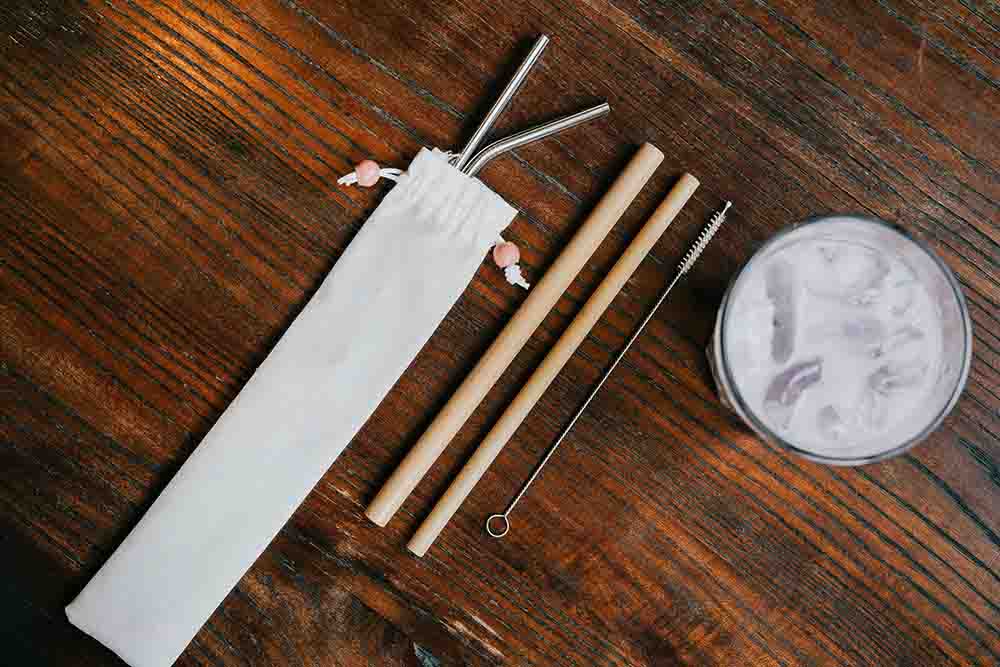
This is the most basic and simplest of inspiratory training techniques, similar to breathing in through different-sized straws. There is no calibration of load, like there is with Pressure Threshold Resistance.
Basic breathing trainers that use flow resistive loading usually consist of holes of varying sizes. Because there is no calibrated loading, breathing training can vary as the training relies on the user breathing in through the device at the same speed and depth for consistency, each time they train.
Imagine breathing in through various sizes of straw. Essentially, the bigger the hole, the higher the flow and the easier it is to breathe in. Conversely, the smaller the hole, the lower the flow and the more difficult it is to breathe in. There is no calibration of load in centimetres of water (cmH2O), which is the unit of pressure most commonly used to measure breathing on respirators and ventilators. In fact, cmH20 is the unit of measurement for monitoring athletic performance and controlling respiratory conditions in medical and physiological applications.
2. Pressure Threshold Loading
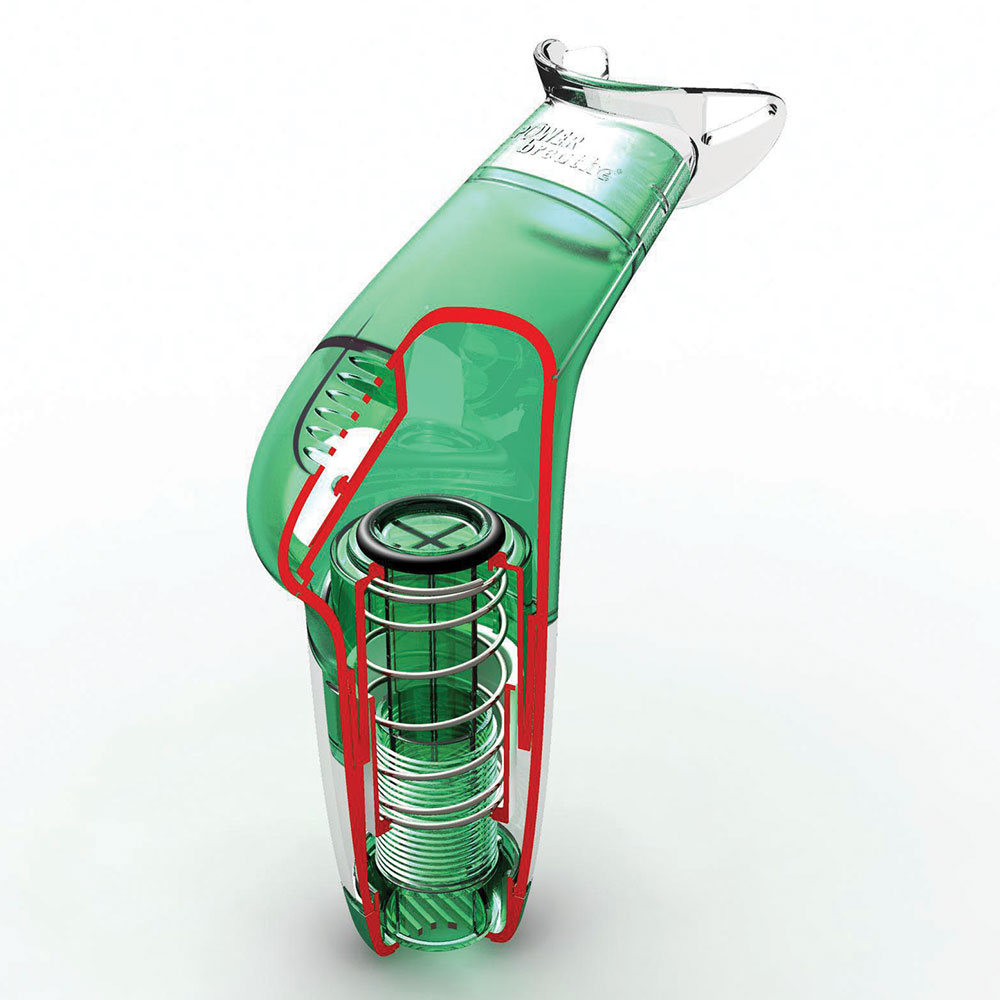
This uses a calibrated, spring-loaded valve that will only open once you are able to generate enough inspiratory pressure. Pressure is measured in centimetres of water (cmH2O). It is a more scientific type of training than flow resistance because you have an accurate measurement of training load.
When you generate enough power with your breathing muscles, the spring-loaded valve will open at the “pressure threshold” you set, hence the name.
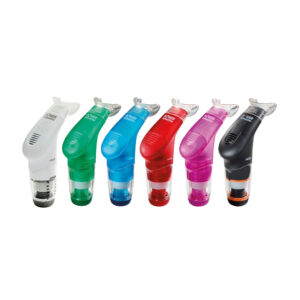
The POWERbreathe Classic and POWERbreathe Plus series of inspiratory muscle trainers use this type of resistance. Most of the research into the benefits of Inspiratory Muscle Training traditionally use Threshold Resistance breathing devices, including POWERbreathe. However, more recent studies into IMT are beginning to use the POWERbreathe K-Series Electronic Tapered Resistance.
3. Electronic Tapered Loading
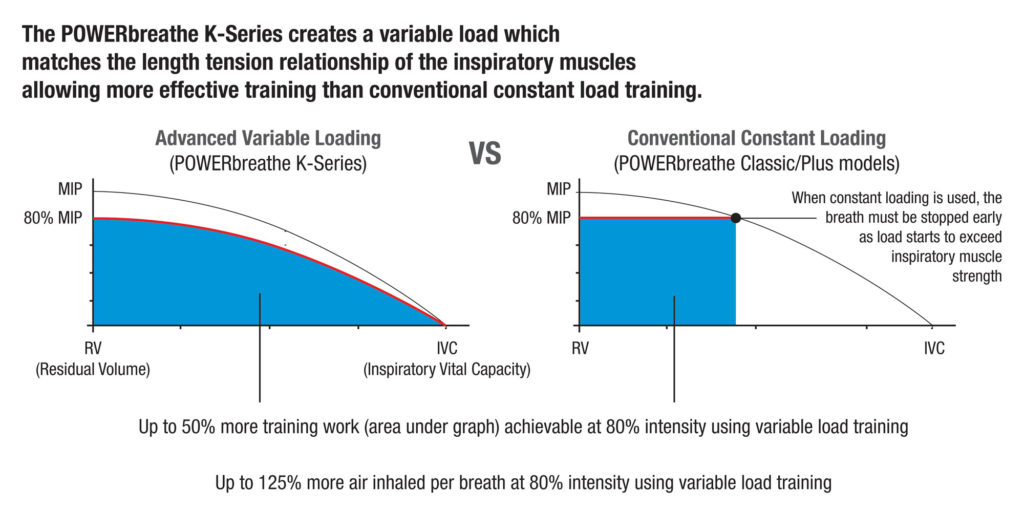
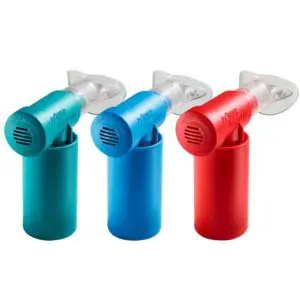
All POWERbreathe K-Series inspiratory muscle trainers use this method of resistance. This type of training uses a computer-controlled valve to automatically match the resistance to your declining muscle strength, as you progress through the breath. This technology is world leading and unique to the POWERbreathe K-Series range of inspiratory muscle trainers.
For example, if you set the load at 40cmH2O, your training will start at this load. However, this load will begin to reduce gradually over the length of the breath to match your declining strength.
The benefit of this electronic tapered resistance is that it trains your breathing muscles for longer and you will maximise your breathing volume and flow. Also, thanks to the computer-controlled valve, you are able to measure breathing volume, load, power and energy and monitor your progress over time.
Finally, some of the POWERbreathe K-Series inspiratory muscle training devices feature a Strength-Index test, which is unique to POWERbreathe. This is an isotonic test, meaning that the breathing muscles are moving during the test, just as they do in real life.
-
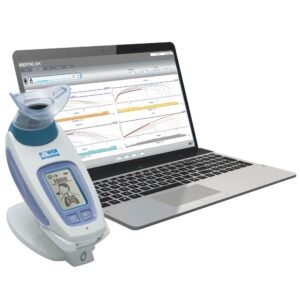 POWERbreathe KH-Series
 -
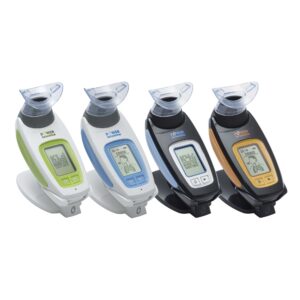 POWERbreathe K-SeriesPrice range: $599.00 through $850.00
Inspiratory vs Expiratory Muscle Training
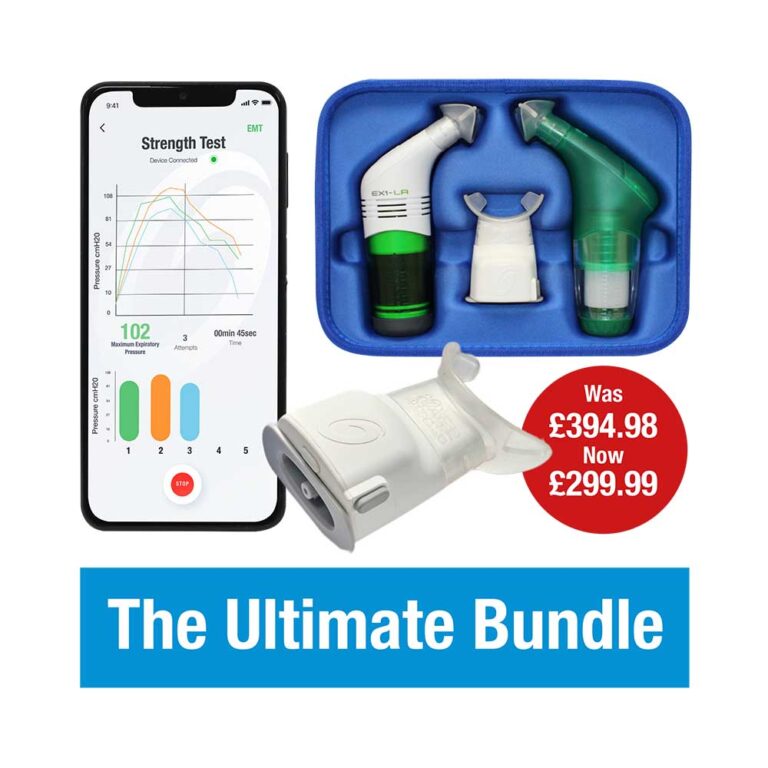
Expiratory muscle training or Expiratory Muscle Strength Training (EMT or EMST), in contrast to IMT, exercises your expiratory muscles. It too is an element of respiratory muscle training (RMT) that will improve the strength and endurance of your expiratory muscles.
EMST vs IMST is a breathing therapy that is particularly beneficial for patients with medical conditions such as Parkinson’s Disease or Stroke, where cough or vocal strength is reduced and requires strengthening.
You can find out more about expiratory muscle training in What is Expiratory Muscle Strength Training? and explore our expiratory muscle training devices here.