Dr Sabrina Brar, Chief Future Officer
Dr Sabrina Brar is a former NHS doctor with nearly a decade of experience working in clinical medicine. She specialised in ENT (Otolaryngology) surgery across leading hospitals in London and Oxfordshire. She has written numerous peer-reviewed publications and spoken at conferences around the world. Driven by curiosity and a passion for transforming evidence-based science into real-world impact, Sabrina took up the position of Chief Future Officer at POWERbreathe International. Sabrina is dedicated to advancing respiratory health through innovation, education and clinically proven technology, helping to deliver the world’s most effective respiratory muscle training solutions to healthcare professionals, athletes and individuals alike. Committed to making every breath count, Sabrina balances her professional responsibilities with motherhood, tennis and improving her Spanish.
Qualifications and Memberships
- MRCS (ENT), Royal College of Surgeons
- GMC Registration
- Bachelor of Medicine and Bachelor of Surgery, The University of Bristol
- Bachelor of Science, Medical Biology, The University of Edinburgh
Dr Brar’s recommended reading
- What is Inspiratory Muscle Training ?
- Lower Blood Pressure in Post-Menopausal Women
- Breathing Techniques to Improve Your Tennis Game
Sabrina’s POWERbreathe Product of Choice
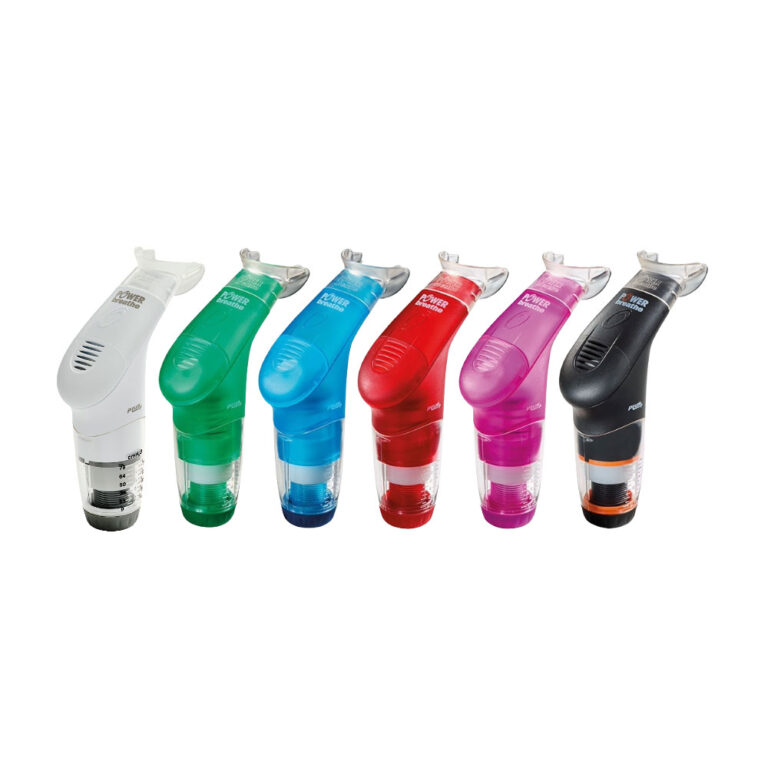
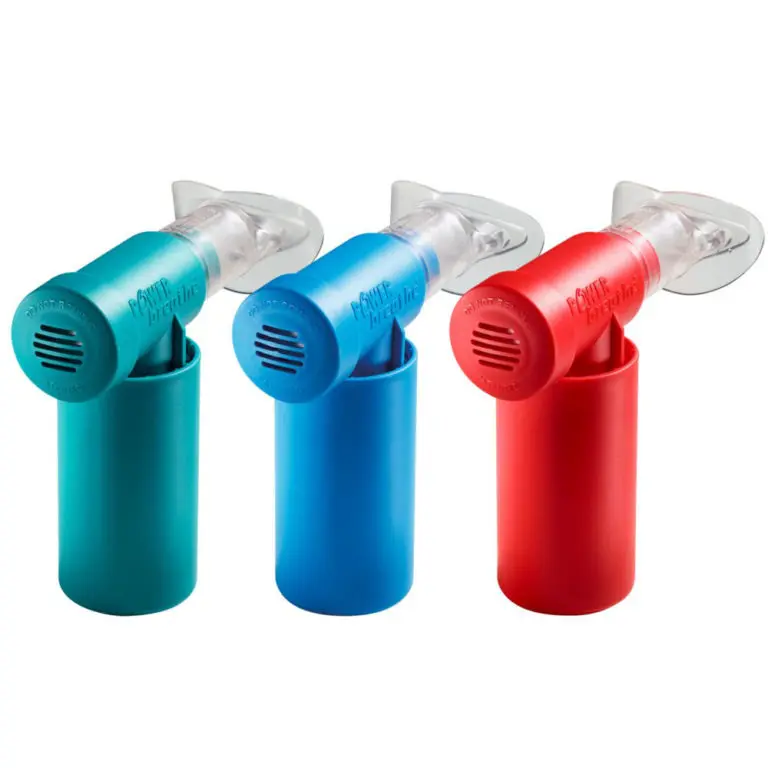
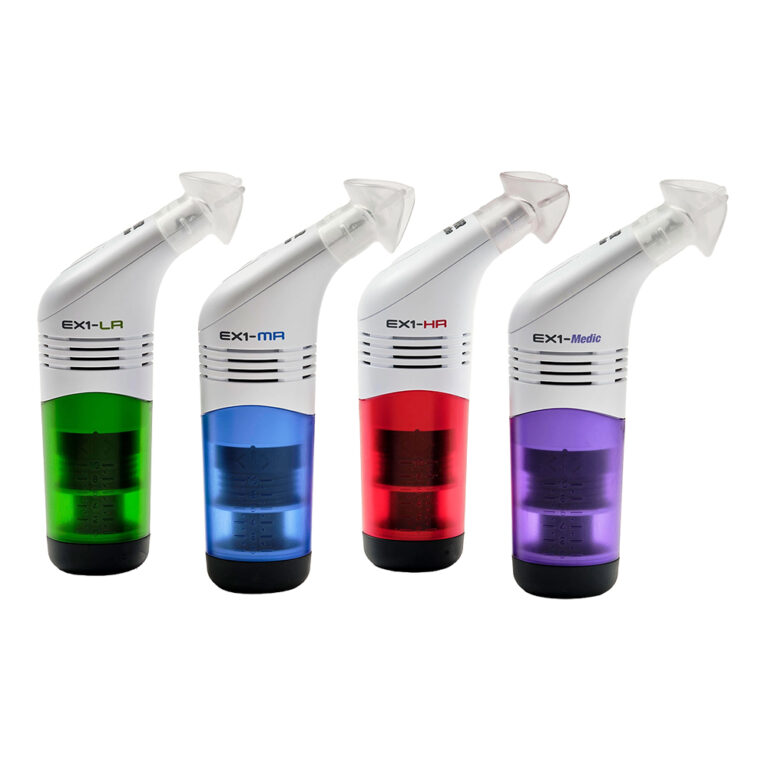
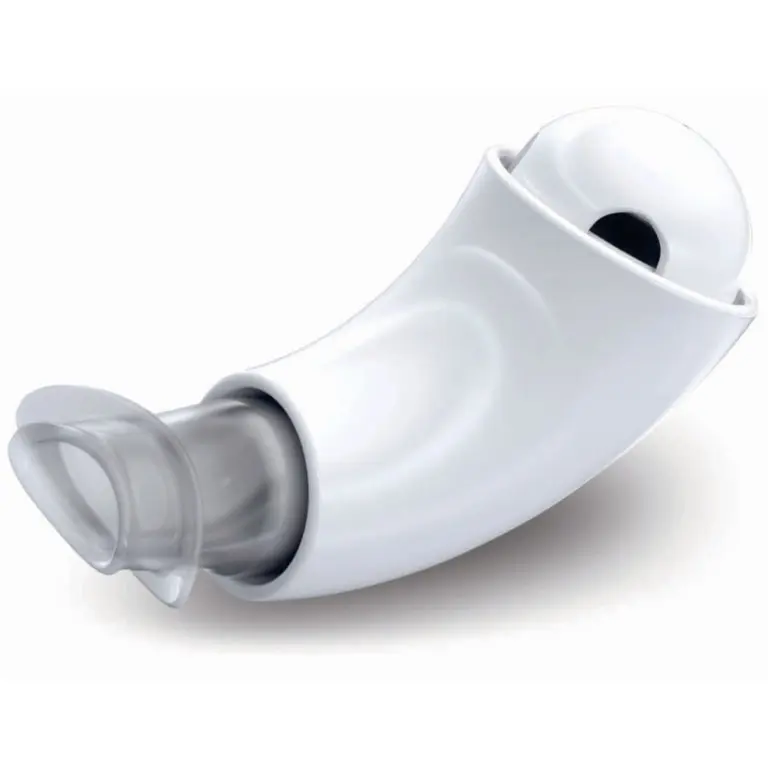
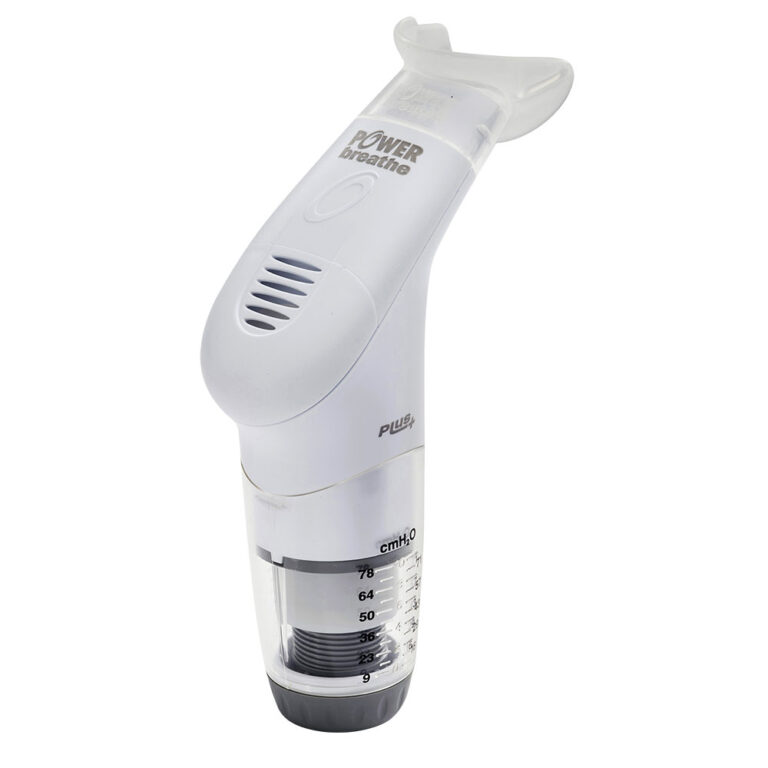
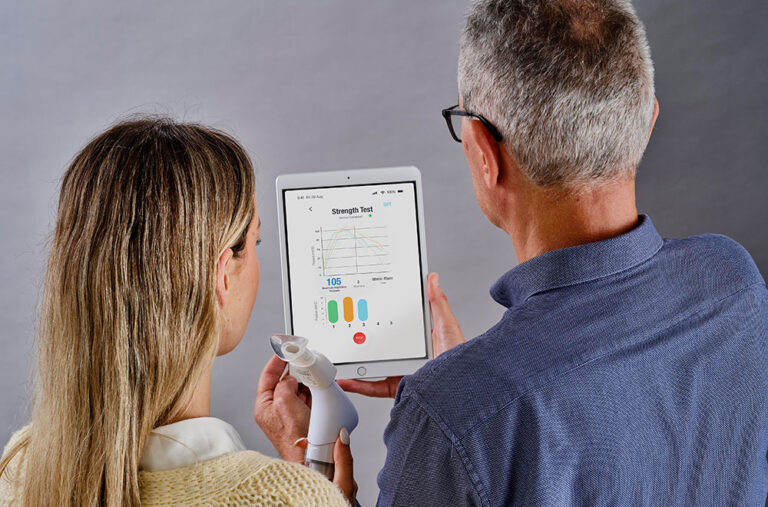
The POWERbreathe Medic and POWERbreathe Medic Plus are utilised in the NHS, as part of pulmonary rehabilitation, prehabilitation before surgery and for the management of asthma, COPD, neuromuscular conditions and more. They are evidence-based, drug-free inspiratory muscle training (IMT) devices, available on NHS prescription. The Medic Plus can be paired with the POWERbreathe Smart Adaptor, for real-time visual breathing training guidance and feedback via the ActiBreathe® App.
Dr Sabrina Brar says
‘Your physical lung size is determined by the blueprint in your DNA and set in stone by the time you reach adulthood. However, the respiratory muscles (including the diaphragm and intercostals) can be trained, so your lungs become stronger and more resistant to fatigue with time and you can use more of your existing lung volume to breathe more efficiently.’