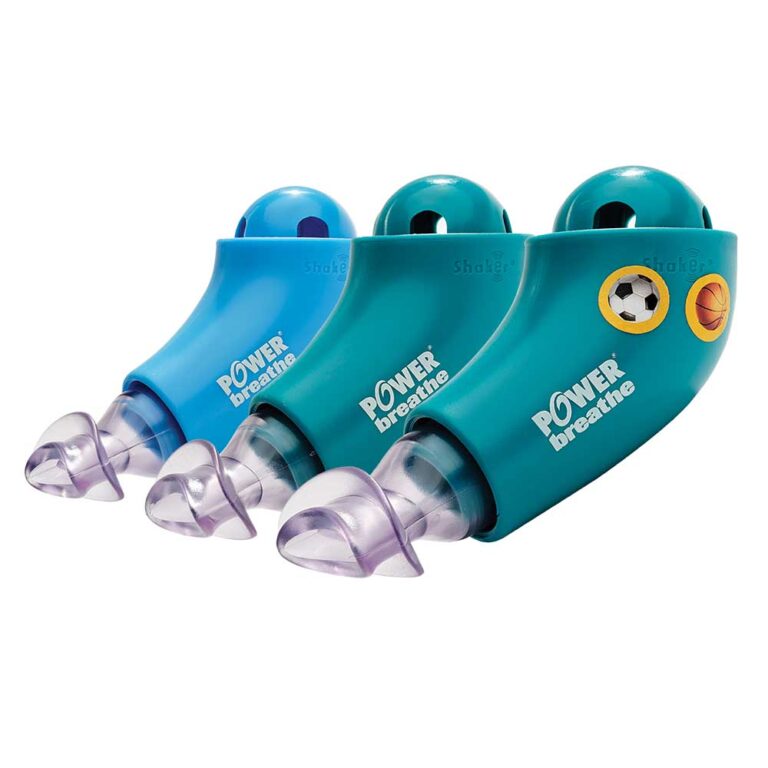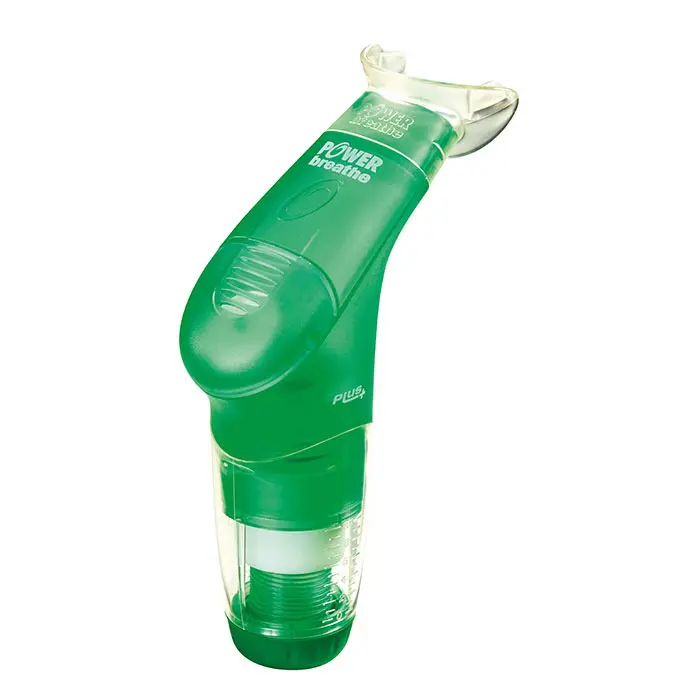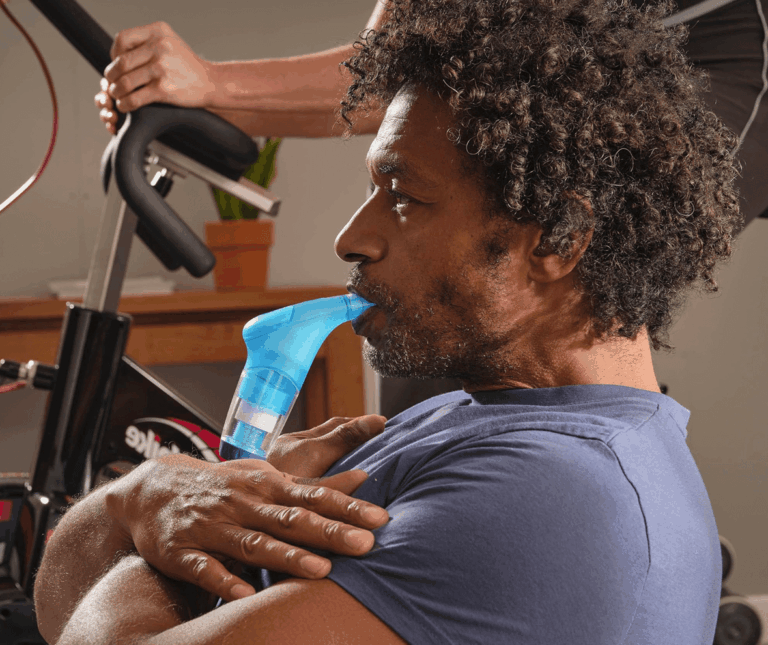
Swim, Bike, Run
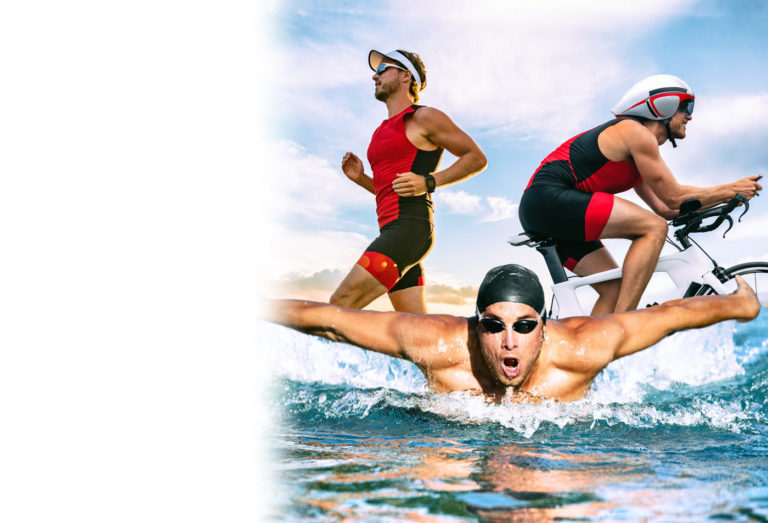
Your lungs are subjected to huge demands in each of the three endurance disciplines of swimming, cycling and running.
Breathing Effort In Swimming
Swimming creates an enormous strain on your inspiratory muscles and it is no surprise to find that as a swimmer you’ll experience significant fatigue of your breathing muscles. Discover how stronger breathing muscles can lead to better swimming performance in this webinar from The Better Breathing Institute, presented by Dr Mitch Lomax, Associate Professor in Pulmonary Exercise Physiology.
The challenge is worsened by the fact that when you are lying horizontally in the water, your breathing muscles are up to 16% weaker than when you’re upright so are less able to generate the forces needed to breathe in quickly. Furthermore, research shows that fatigue of your breathing muscles reduces blood flow to your arms and legs, which can slow you down by reducing the flow of oxygen to those muscles. This is the case in both inspiratory muscle fatigue and expiratory muscle fatigue, both of which impair exercise performance.

Breathing Effort In Cycling
The hunched position adopted during cycling can create breathing problems. The contents of your abdomen (mainly your liver and gut) become compressed and pushed up against your main breathing muscle, the diaphragm. This restricts its normal movement and can make breathing feel much harder.
Research shows that cycling as little as 20km at race pace induces significant fatigue of the inspiratory muscles. A research group at the University of Birmingham showed that inspiratory muscle training (IMT) reduces this breathing fatigue and improves cycling time trial performance by a staggering 4.6% (that’s equivalent to slicing around 2 minutes off your 40k PB) after just 6-weeks of inspiratory muscle training.
Read Dumbbells for the diaphragm’ – can strengthening breathing muscles lead to faster riding? at Rouleur CC
Breathing Effort In Running
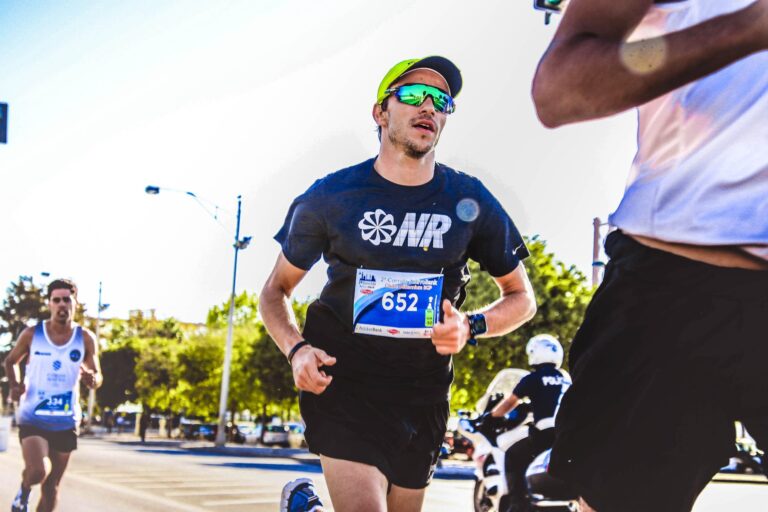
The work of breathing during running can be substantial following events such as marathons, as well as shorter, intense bouts of running. Research also shows that fatigue of the breathing muscles may result in diversion of blood away from the leg muscles. This means that the supply of oxygen to your legs is reduced and your performance is impaired. However, research indicates that 4-weeks of IMT improves inspiratory muscle strength, 800m running performance and decreases limb blood flow change rate.
Boost Your Breathing Stamina
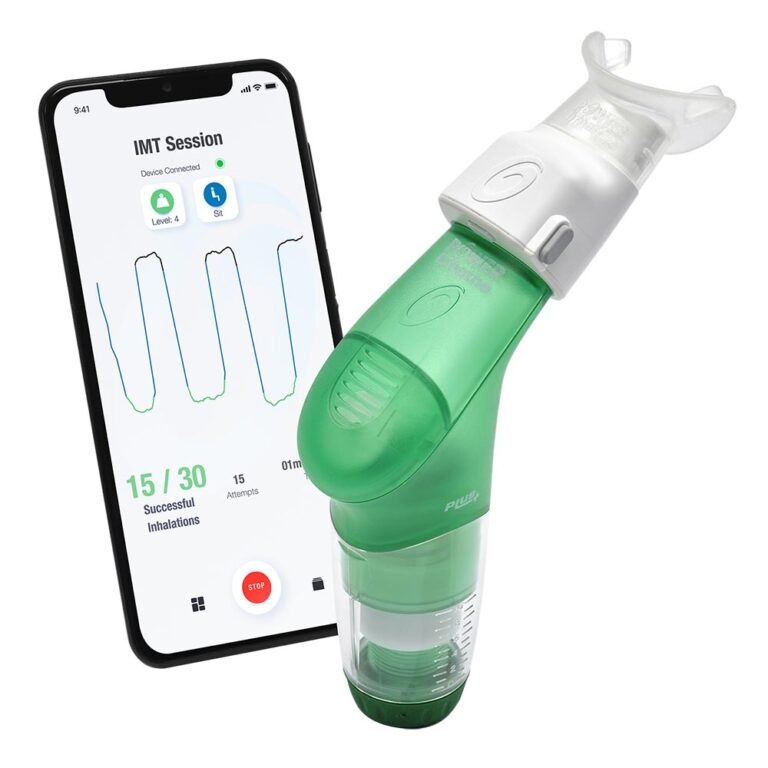
Disciplined breathing technique will improve breathing comfort during swimming, cycling and running. POWERbreathe Inspiratory Muscle Training (IMT) specifically targets your breathing muscles, increasing their strength and stamina by around 30%, significantly improving your swimming performance, cycling performance and running performance by helping to eliminate breathing fatigue.
Research shows it is beneficial to warm-up your breathing muscles with POWERbreathe IMT. It can also reduce lactate by 16% when used in recovery.
Select An Activity

Rowing
Breathing During Rowing As a rower, your breathing muscles are not only used for breathing but also for maintaining your posture and for transmitting force during the ‘drive’ phase. This is because your breathing muscles, including your diaphragm, engage in helping to strengthen your trunk and protect your spine. Both breathing and postural control is […]
Read More
Football
Breathing Effort In Football On average football players are likely to cover around 6.2 – 7.5 miles during the course of a match, at an average intensity of 75-80% of your maximal oxygen uptake (VO2 max.). Throughout the 90 minutes of the game you’ll be cruising for 30-90 seconds and sprinting for 3-5 seconds. Although […]
Read More
Altitude
Breathing Effort At High Altitude At high altitude, the partial pressure is less than at sea-level, meaning oxygen molecules are further away from each other. The higher you go, the more difficult breathing at high altitude becomes. In order to compensate, your lungs work much harder. At sea level, exercise is limited only by the […]
Read More
Wheelchair Sports
Breathing in Wheelchair Sports As a wheelchair user you may experience difficulties with your respiratory system because if your abdominal and chest muscles, including your diaphragm, are affected by injury you’ll find it more difficult to breathe. Your neurological level of injury will determine to what extent your breathing poses to be a problem. If […]
Read More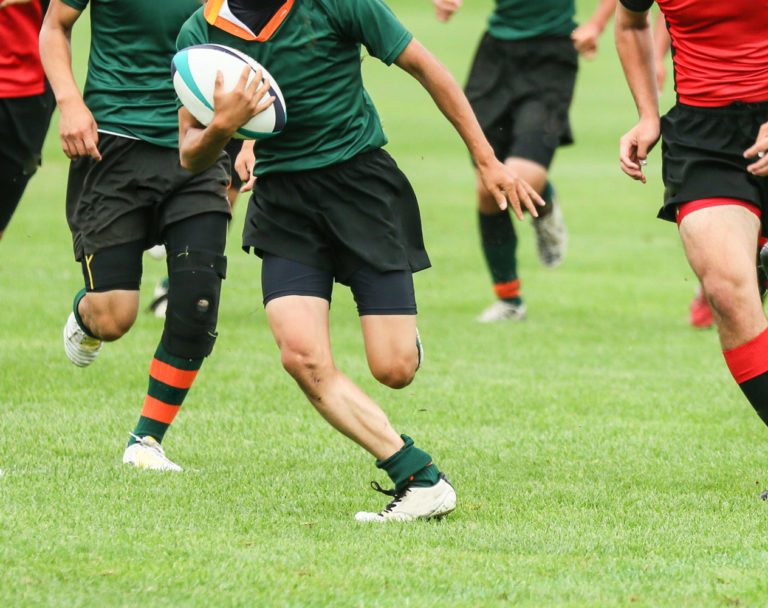
Rugby
Breathing Effort In Rugby The physical demands of rugby are highly specific to each player’s positional role. Nevertheless, all players require high levels of aerobic fitness, lactate tolerance, strength and power. Although most activity in rugby is sub-maximal, the intermittent sprints, tackling, scrums, rucks and mauls are supra-maximal, taking you above 100% of your maximum […]
Read More
Fitness
Breathe Your Way To Faster Fitness Breathlessness is a common feature of exercise and although aerobic activity does provide training benefits to your breathing muscles, it’s not sufficient to elicit their full potential. Your breathing muscles never really get trained enough to cope with the ‘heavy breathing’ that results from high-intensity exercise, and for this […]
Read More
Racket Sports
During the intense bouts of running that characterise tennis, badminton and squash, such as sprinting to reach a ball, breathing is driven to its highest levels, inducing extreme breathlessness. Being debilitated by your breathing is very frustrating and can hinder your performance. You cannot afford for your breathing to hold you back as it provides […]
Read MoreRelated Products
-
Digital
-
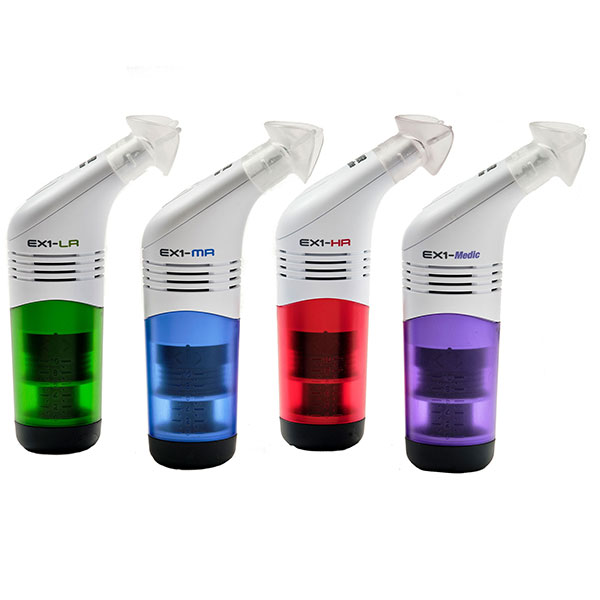
Expiratory Training
Swim, Bike, Run

Tom’s POWERbreathe K5 Journey: From ICU to Marathon Glory
We connected with Tom Hollis as a result of his combined specialisation in critical care and running, and we lent him the powerful POWERbreathe K5 with Breathe-Link® Live Feedback software in preparation for the 2023 Valencia Marathon. Tom shares his experience with us about the K5 IMT device and notes its major impact on his running performance, even though he […]

Breathing Exercises for Athletes Using POWERbreathe IMT & EMT
Improving breathing strength and stamina can really make a difference in athletic performance, especially in sports like those seen at the Olympics. And using drug-free POWERbreathe Inspiratory Muscle Training (IMT) and Expiratory Muscle Training (EMT) devices helps athletes get the most from their respiratory muscles. This is because breathing muscle training also reduces breathing fatigue, […]

How To Improve Running Stamina
To find a way a way of running farther and longer without tiring is an ambition of many runners. It is particularly pertinent when training to run a marathon. Therefore, knowing how to improve running stamina is hugely beneficial. Why Improve Running Stamina? Increasing running stamina is essential if you are to beat your personal […]
Downloads

Inspiratory muscle fatigue has the potential to negatively affect overall swimming performance
POWERbreathe contributes to better athletic performance by improving all lung ventilation variables, respiratory muscle strength and performance parameters, and by reducing lactate levels
POWERbreathe is a useful device to stimulate sports performance and increase pulmonary function in various sporting fields
Increased ventilatory muscle strength in subjects using IMT and EMT might improve ventilatory efficacy during exercise, and increased inspiratory muscle strength might facilitate oxygen delivery through improved circulatory responses
Effects of 4-Week IMT on Sport Performance in College 800-Meter Track Runners (used POWERbreathe K2)
IMT Swimming Performance
IMT Running Performance
IMT Cycling Performance
SwimForTri Training Tips from the swim improvement specialists
Introduction to Ironman Articles
Introduction: Series of articles on Breathing & Exercise for Ironman
ARTICLE 1: The individual challenges of swimming, cycling and running
ARTICLE 2: The unique challenge of triathlon
ARTICLE 3: Exercise-induced breathing fatigue – how it impairs your performance
ARTICLE 4: Breathe better and improve your performance
ARTICLE 5: Why POWERbreathe® training is an ergogenic aid
ARTICLE 6: Building the foundations of your POWERbreathe® training
ARTICLE 7: Sport-specific POWERbreathe® training: swimming
ARTICLE 8: Sport-specific POWERbreathe® training: cycling
ARTICLE 9: Sport-specific POWERbreathe® training: running
Why women have it even tougher than men when it comes to triathlon
5 weeks of POWERbreathe K3 IMT attenuates the respiratory metaboreflex
Expiratory muscle fatigue impaired subsequent exercise tolerance primarily through increased severity of limb locomotor muscle fatigue and a heightened perception of leg discomfort
Effects of expiratory muscle work on muscle sympathetic nerve activity
Expiratory muscle training increases expiratory muscle strength and reduces the sensation of respiratory effort during exercise